Chiller-Fan Coil vs VRF for a Business Center

Two common multi-zone HVAC approaches — how they differ and which fits your tower.

Business centers mix many tenants, staggered hours, glazed façades and a need for sub-metering by floor or zone. Two systems usually make the shortlist: VRF (refrigerant to indoor units) and chiller with fan coils (water in the building, refrigerant only at the plant).

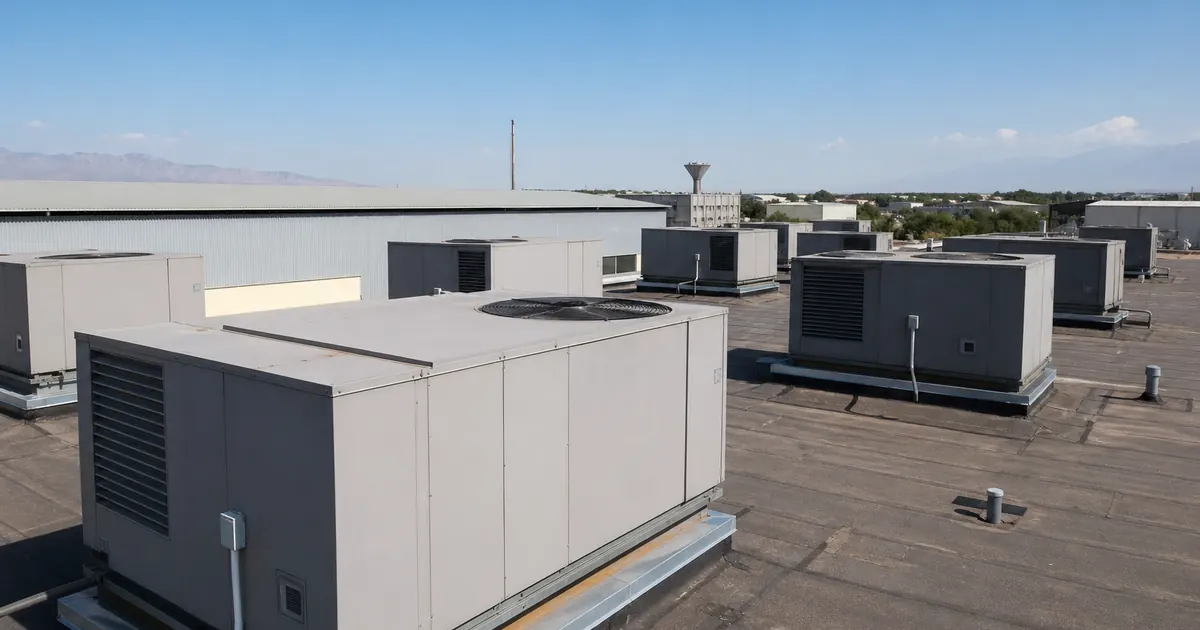
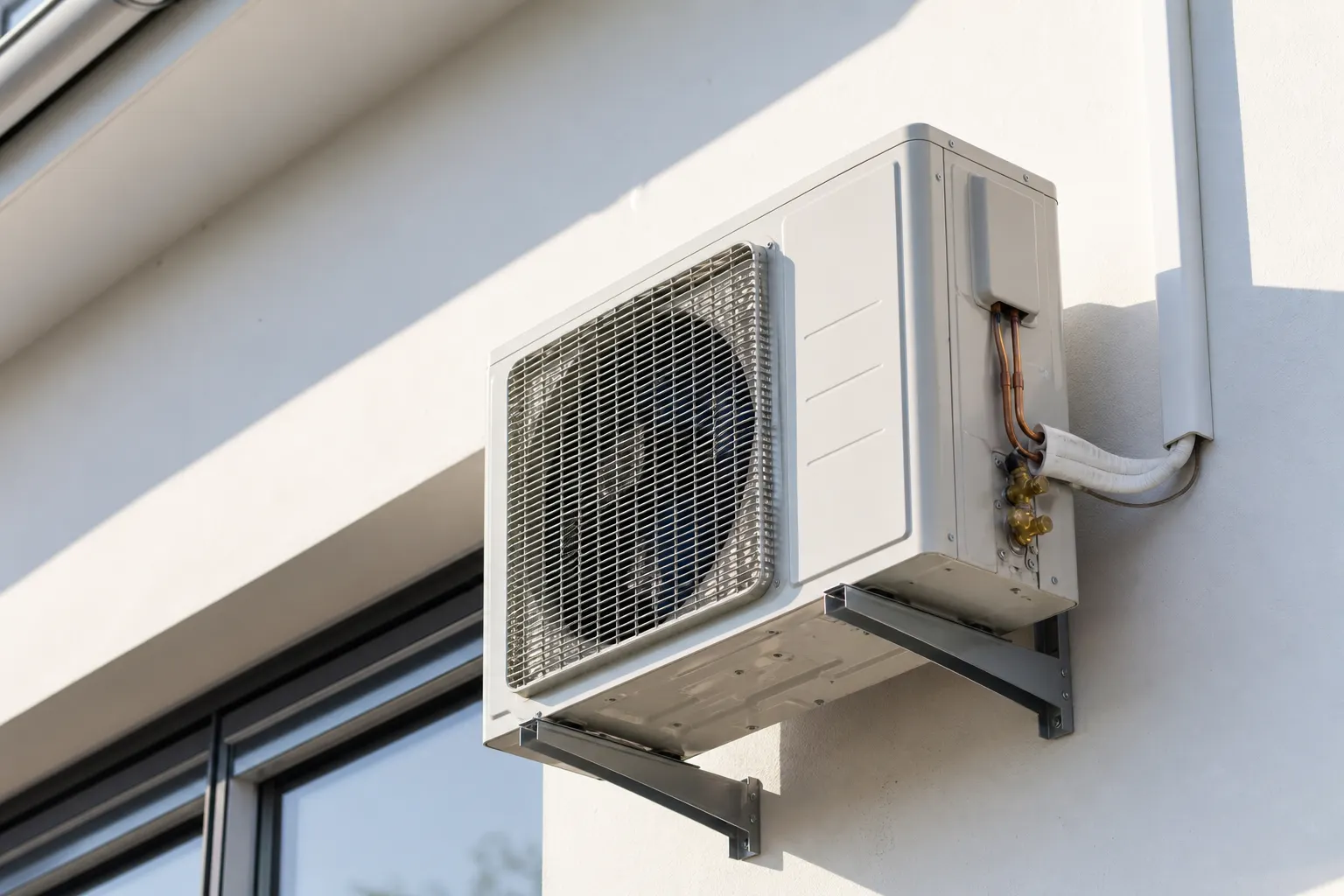
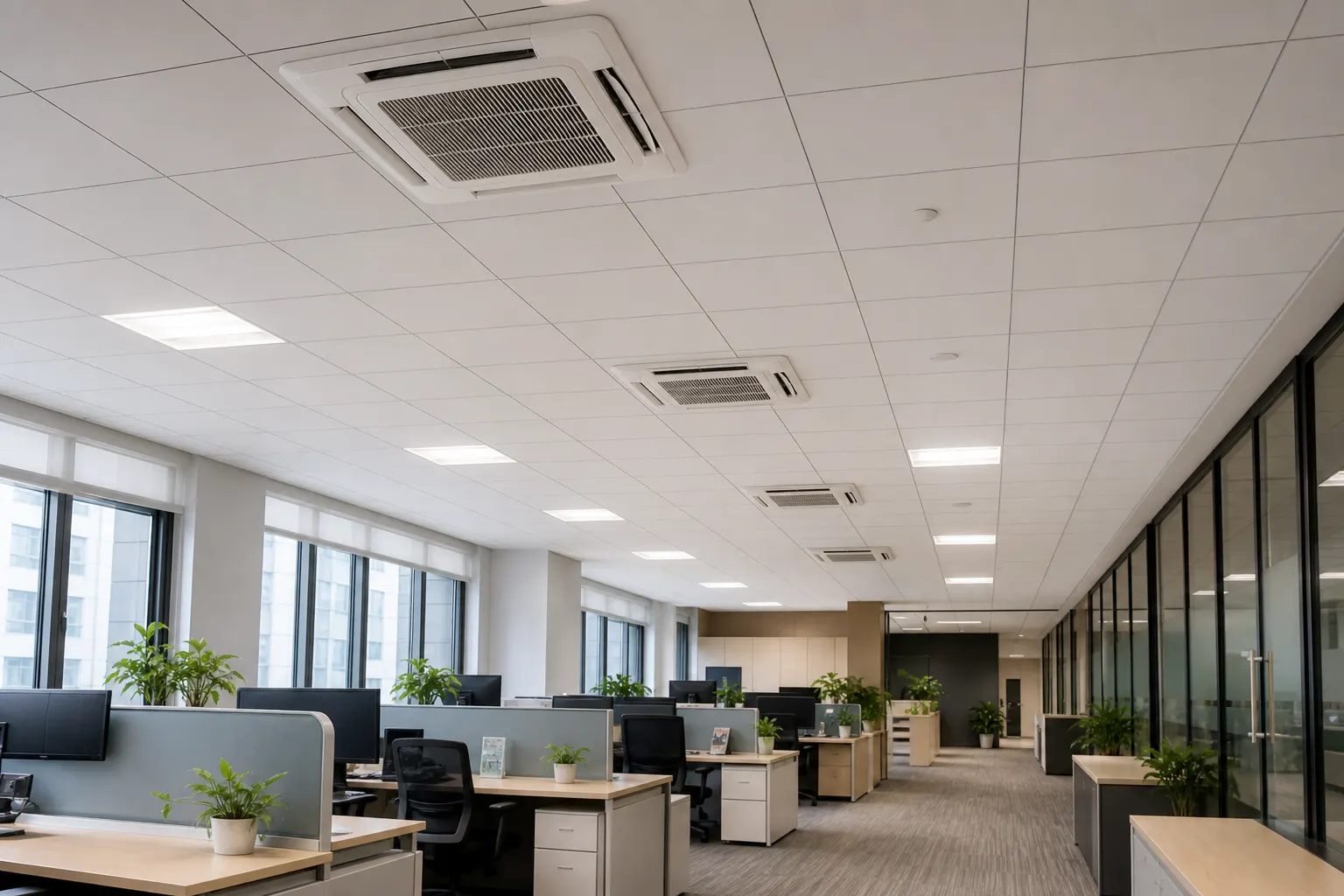
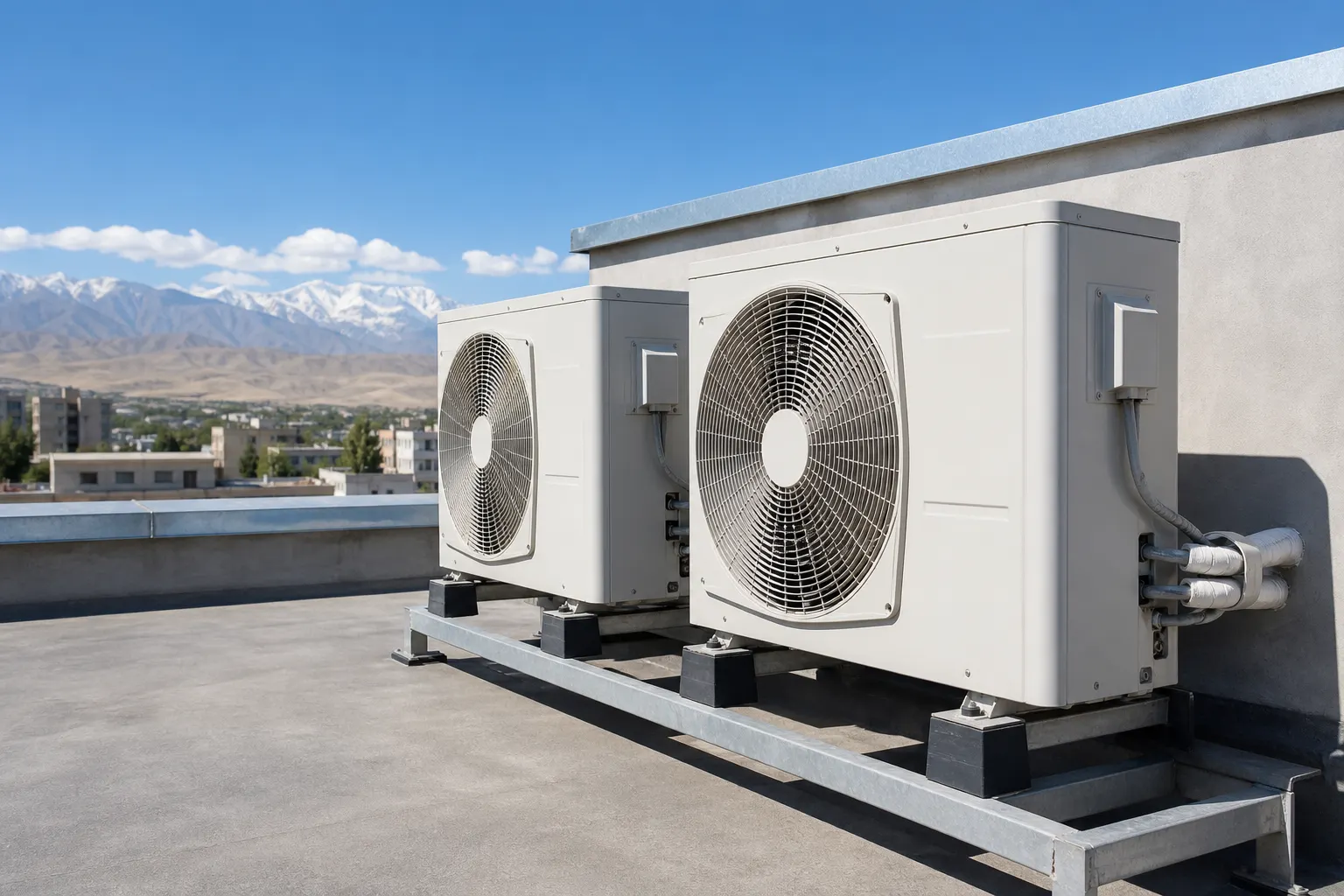
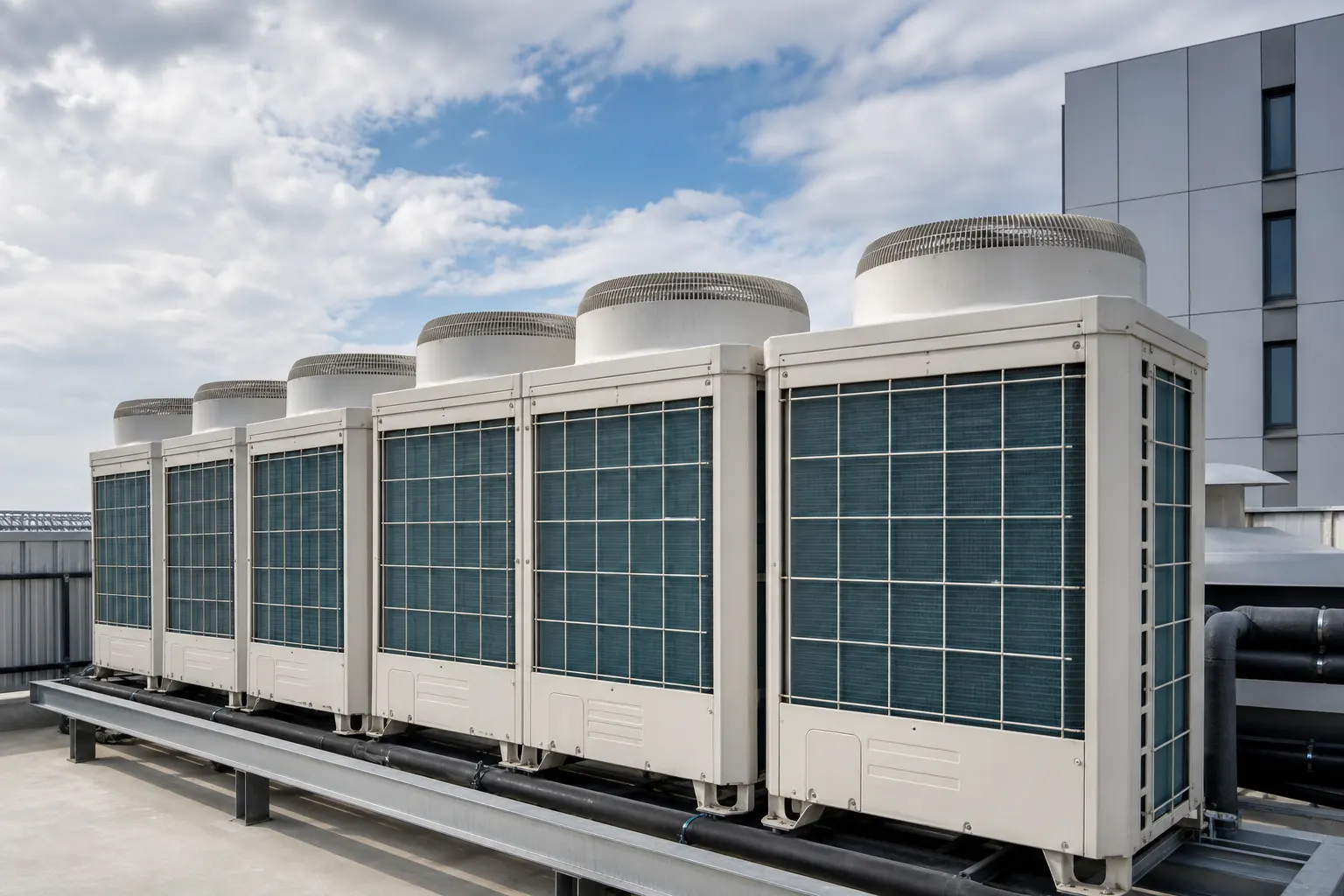
VRF: one or several outdoor units feed many indoors — cassettes, ducted, wall. Pros: faster floor-by-floor rollout, flexibility when offices are reconfigured, less central plant room. Cons: long refrigerant runs need careful design; charging and service require certified crews; very large sites mean many outdoor units on the roof.

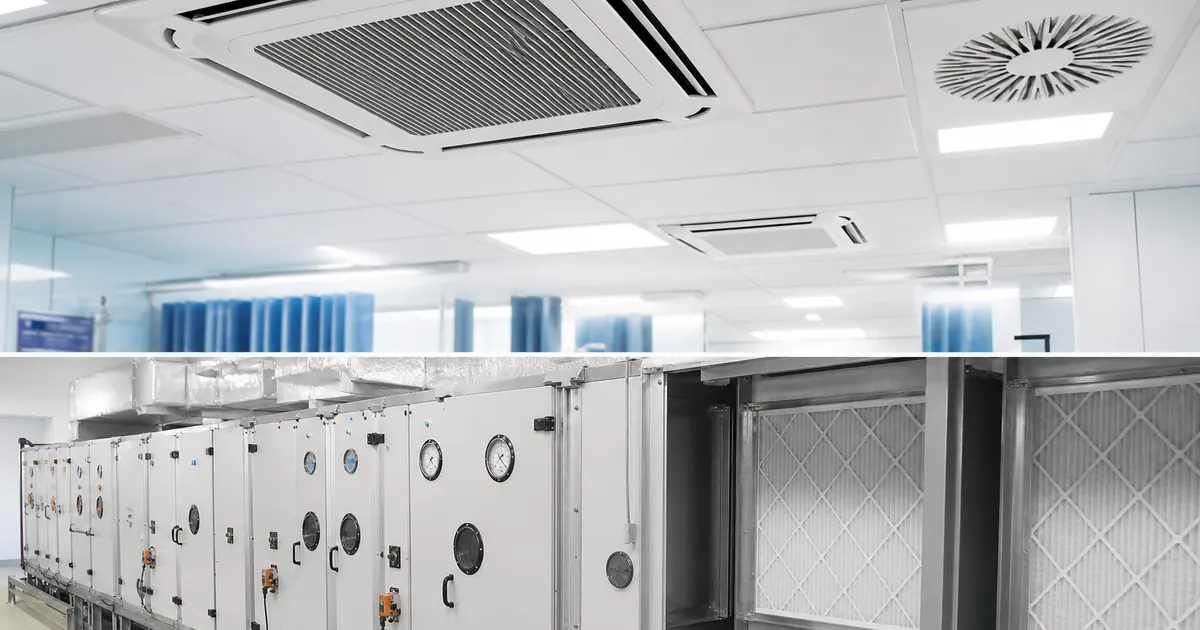
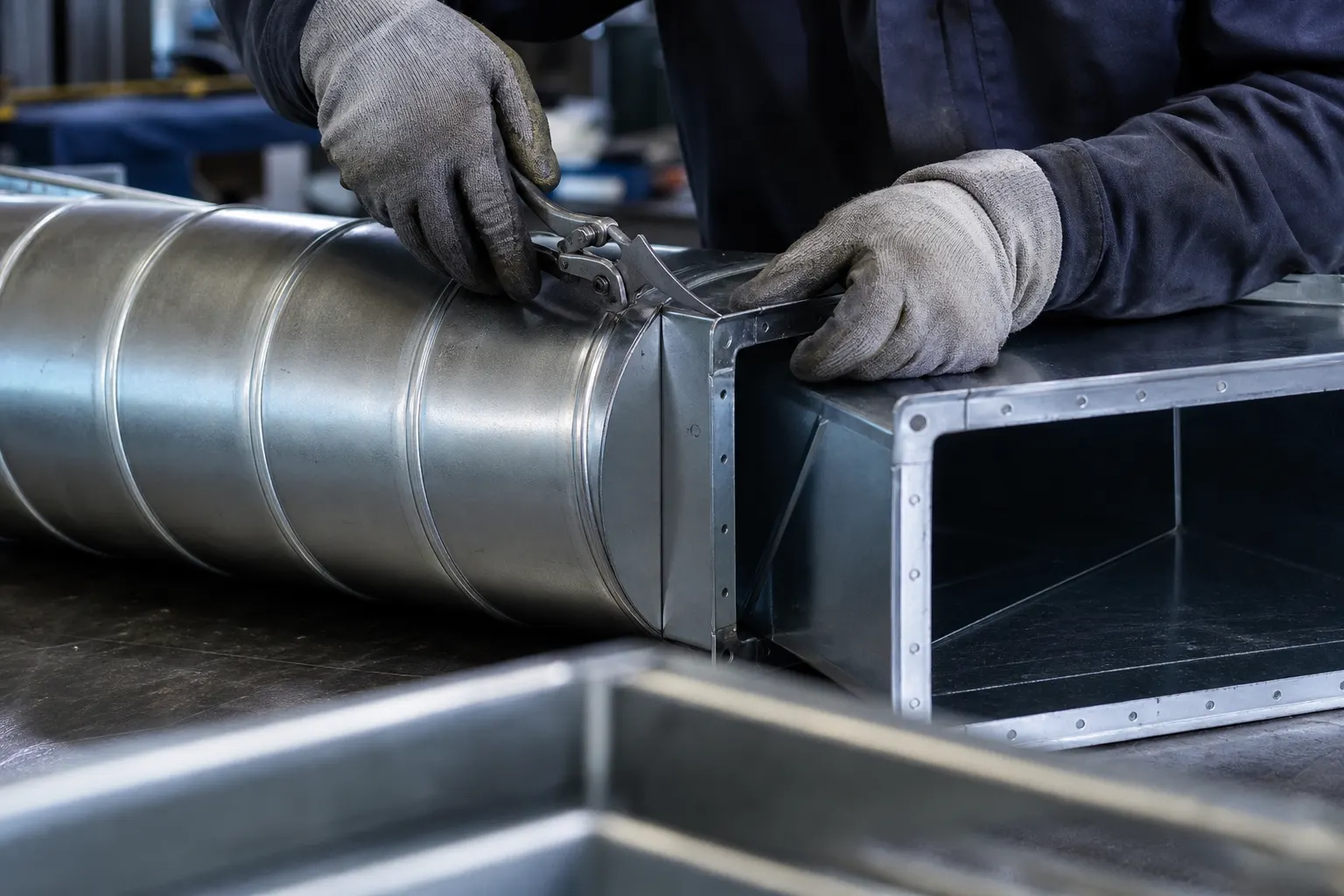
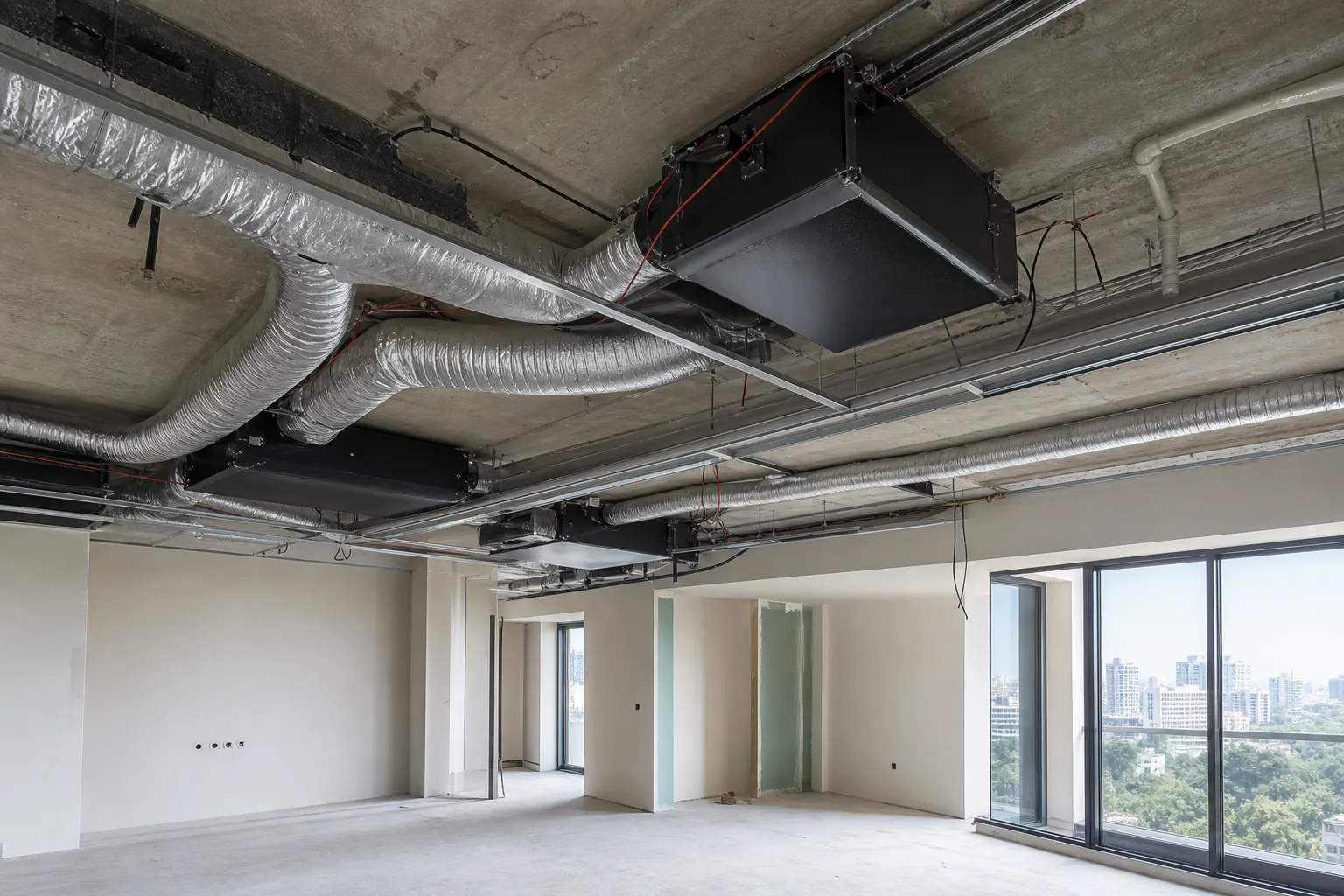
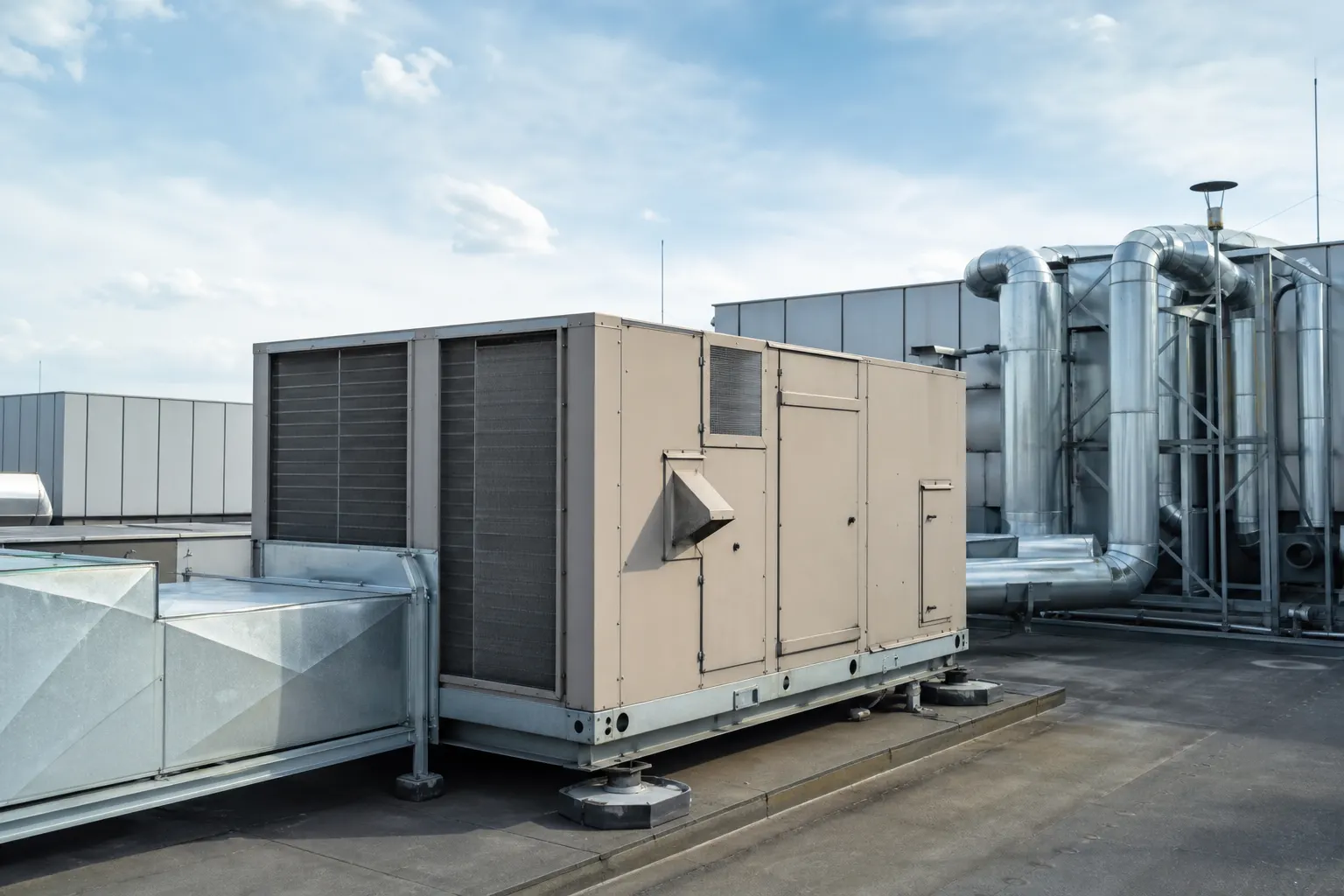
Chiller-fan coil: chiller on the roof or in the basement, water piping through the building, fan coils in rooms. Pros: proven on large towers, easier to add capacity, single hydronic loop, straightforward tie-in to central ventilation and BMS. Cons: plant room, pumping, hydraulics and more construction upfront.

Selection drivers: total area and height, tenant metering rules, roof noise and vibration limits, space for chiller and pumps, install and running cost — not equipment price alone. VRF often wins on schedule for a mid-rise block. Chiller-fan coil remains the default for tall buildings with central air and 24/7 load.

Aurum Prodest is brand-neutral: we size both options from building loads and compare capital and operating trade-offs qualitatively — detailed figures only after survey. Up to 5 years warranty on installation. Discuss your tower: +998 93 389 58 59, Telegram @V_Sergey1980.
Need a quote or install?

Leave a request — an engineer will reply during business hours.

More articles

Air conditioning

Workshop Heat Balance: Sizing Industrial Air Conditioning

Air conditioning

Air Handling Units for Shopping Malls and Retail Centers

Air conditioning

Rooftop Unit vs Central System for a Warehouse

Ventilation

Supply Air Handling for Offices in +40°C Tashkent Heat: Cooling Outdoor Air

Ventilation

Healthcare Ventilation: Requirements, Filters and Pressure Zones

Ventilation

Upgrading Legacy Ventilation on an Industrial Site

Ventilation

Heat Recovery in Supply Ventilation: Does It Pay Off in Uzbekistan?

Ventilation

Dusty Shop Ventilation: Filtration and Local Exhaust

Ventilation

Supply and Exhaust Ventilation in Manufacturing: Air Change Rates and Standards

Air conditioning

Why Your AC Is Noisy and How to Fix It

Service

Refrigerant Leak: Signs and What to Do

Ventilation

Restaurant Ventilation in Tashkent: Kitchen and Hall

Air conditioning

How Much Does AC Installation Cost in Tashkent — 2026

Air conditioning

How to Cut AC Electricity Bills

Air conditioning

How to Choose a Split AC for an Apartment in Tashkent

Ventilation

Office Ventilation Design: Where to Start

Air conditioning

Ducted Air Conditioners: When They Beat Wall Splits

VRF / VRV

VRF/VRV for Offices and Hotels: When Multizone Pays Off

Fabrication

Ductwork Fabrication in Tashkent: In-House Shop vs Subcontract

Ventilation

Ventilation Installation: Steps from Design to Commissioning

Air conditioning

Industrial Air Conditioning for Plants and Warehouses

Air conditioning

Column Air Conditioners for Halls and Retail

Service

AC Maintenance Before Summer: Checklist

Heating

Heating Equipment for Winter: Coils and Heaters