Workshop Heat Balance: Sizing Industrial Air Conditioning

Where extra heat in a workshop comes from and why load calculation beats guesswork.

Industrial cooling is sized from a heat balance — the sum of gains and losses at steady operation — not from floor area rules of thumb. A bad balance means heat at the machines while doors feel fine, or overspecified plant and wasted energy.

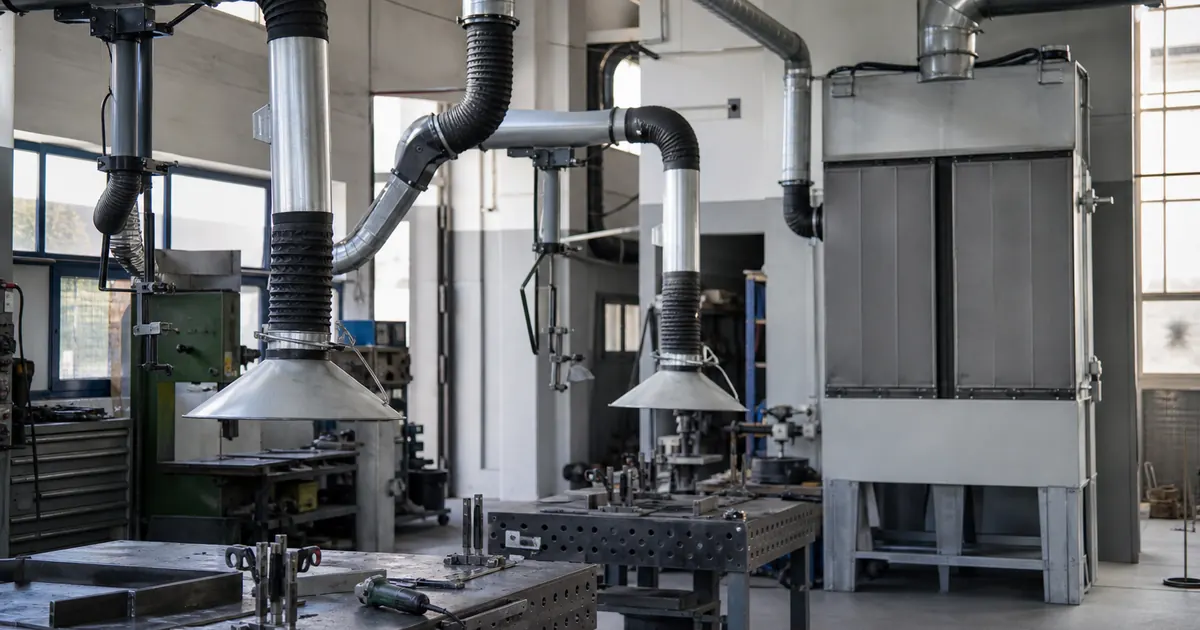
Main gains: process equipment (machines, ovens, compressors, dryers), people, lighting, solar on roof and walls, infiltration through doors and louvres. In a cold workshop, envelopes and door infiltration dominate. In metalworking or food plants, machines lead — use nameplate data or measurements with a diversity factor.

The balance looks like: Qcool = Qequip + Qpeople + Qlight + Qenvelope + Qinfiltration − Qexhaust (if heat leaves with exhaust air). Sensitive zones (workstations) and door zones need separate air-change thought. Humidity and air-change rates drive not only cooling kW but also system type — dehumidification, winter heating of supply, filtered recirculation for dust.

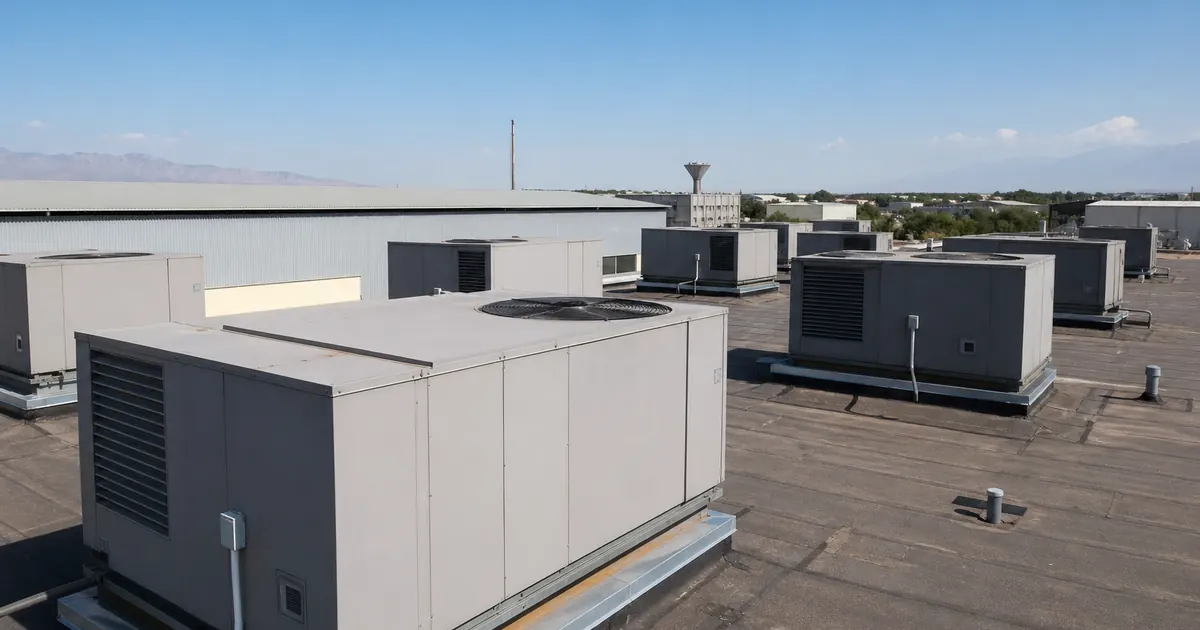
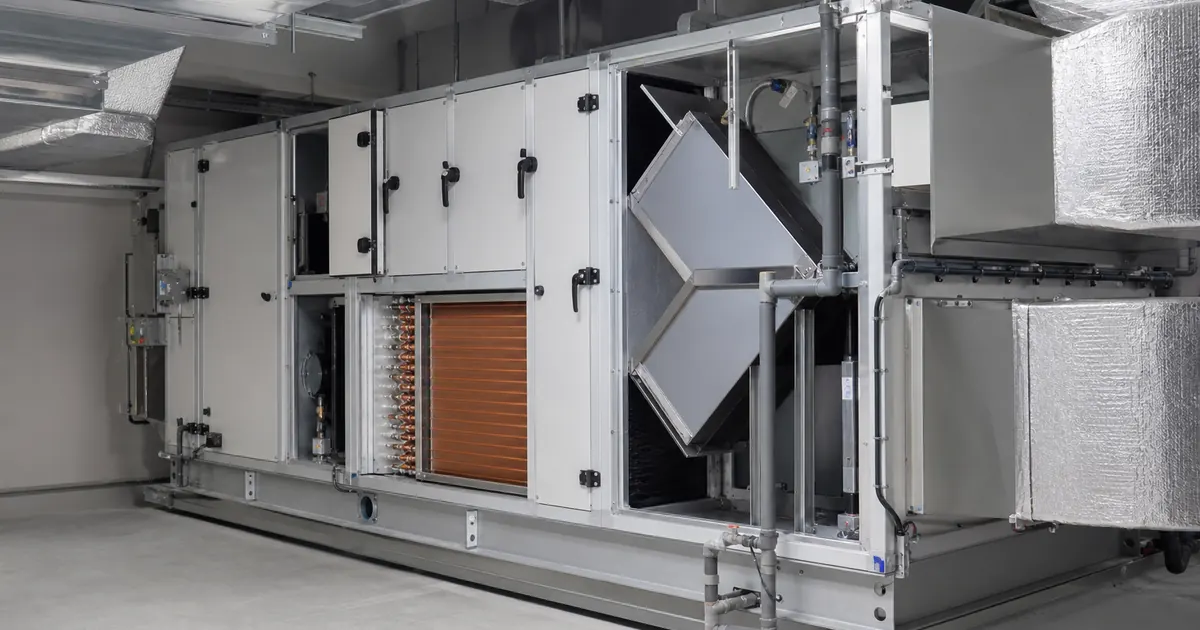
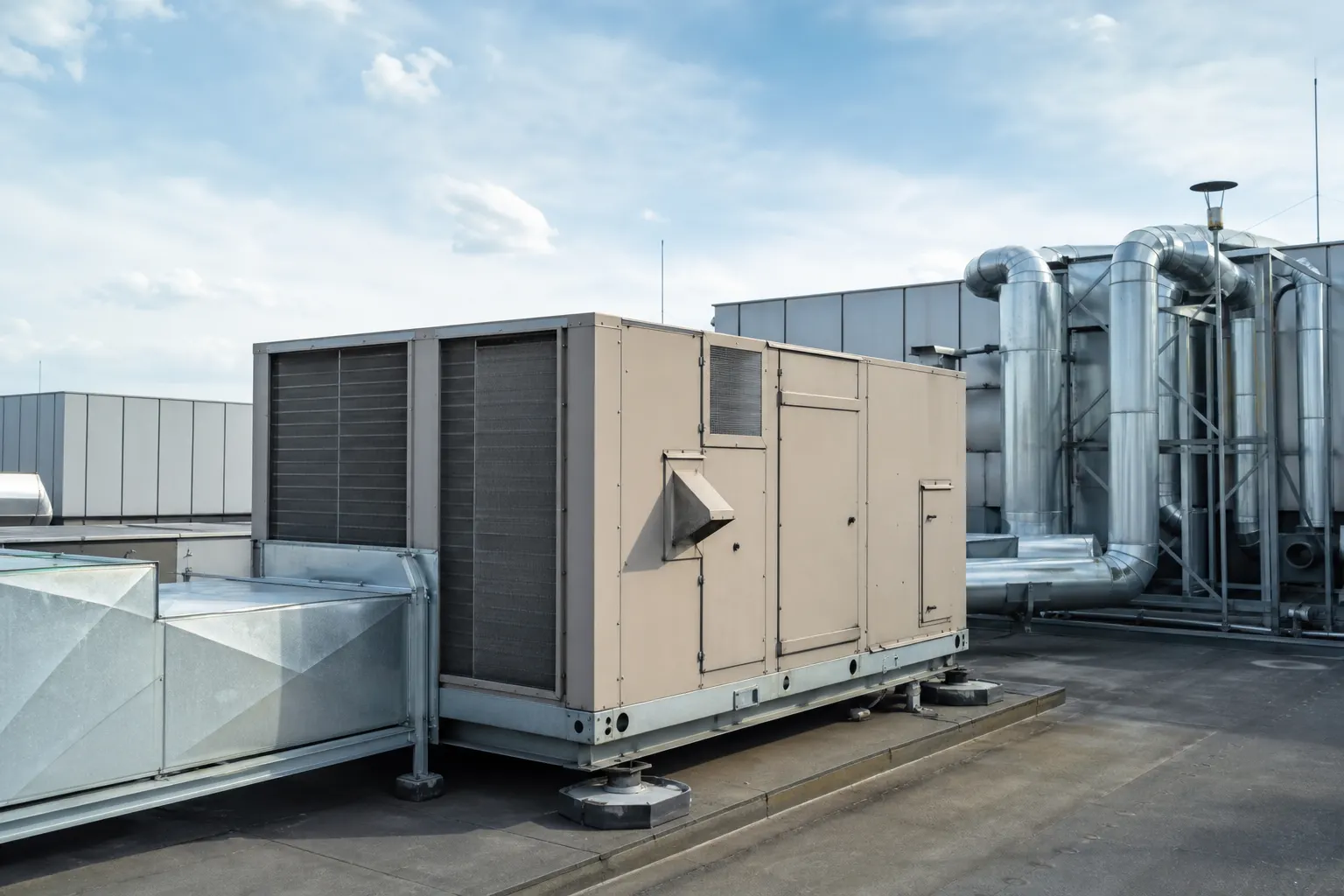
Aurum Prodest practice: site visit, process interview, equipment list and schedules, summer spot measurements on retrofits, zonal calculation. Output: capacity, airflow and system type (rooftop, AHU, chiller). We do not recommend buying “by eye” — engineering margin only, not a random multiplier.

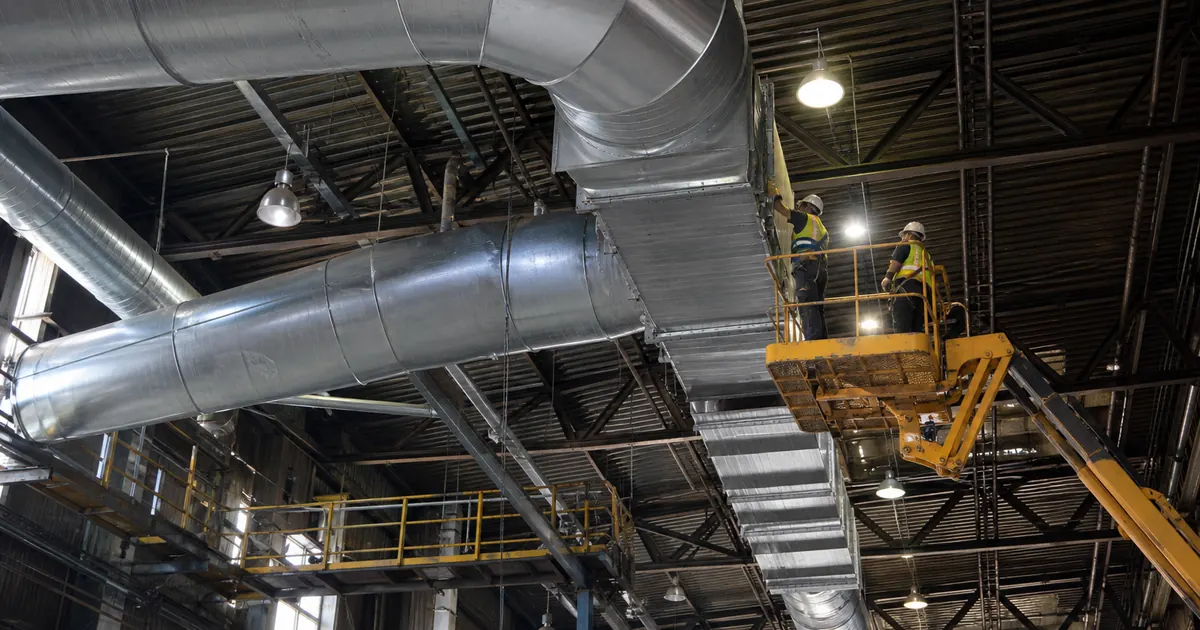
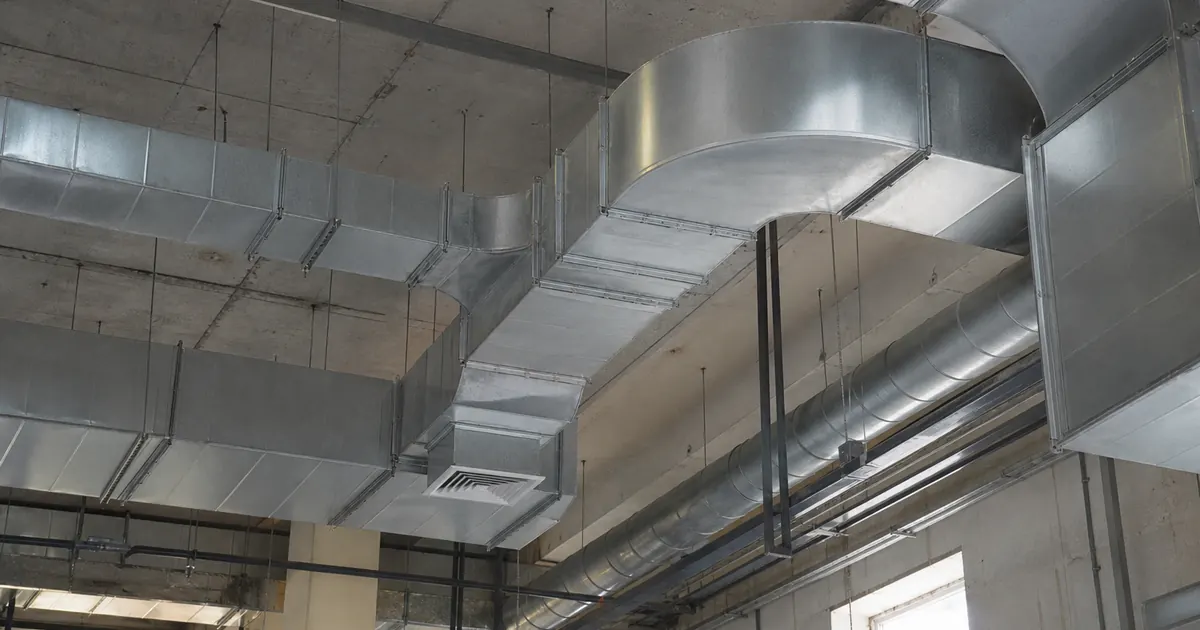
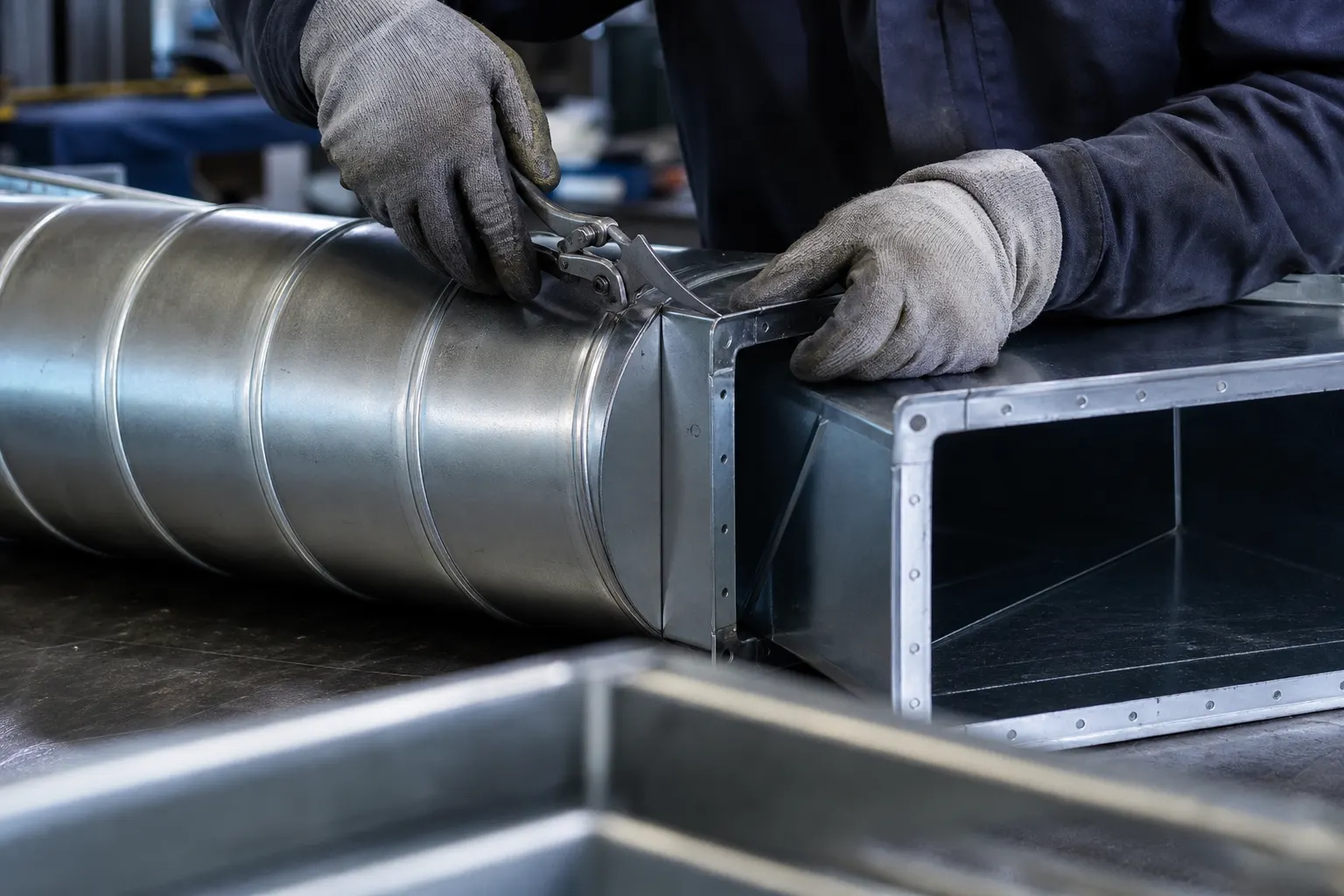
Need a heat balance for your plant, warehouse or line? Aurum Prodest surveys and designs industrial HVAC with in-house duct fabrication. Up to 5 years warranty on installation. Book an engineer: +998 93 389 58 59, Telegram @V_Sergey1980 — quote after survey, no template internet pricing.
Need a quote or install?

Leave a request — an engineer will reply during business hours.

More articles

Air conditioning

Air Handling Units for Shopping Malls and Retail Centers

VRF / VRV

Chiller-Fan Coil vs VRF for a Business Center

Air conditioning

Rooftop Unit vs Central System for a Warehouse

Ventilation

Supply Air Handling for Offices in +40°C Tashkent Heat: Cooling Outdoor Air

Ventilation

Healthcare Ventilation: Requirements, Filters and Pressure Zones

Ventilation

Upgrading Legacy Ventilation on an Industrial Site

Ventilation

Heat Recovery in Supply Ventilation: Does It Pay Off in Uzbekistan?

Ventilation

Dusty Shop Ventilation: Filtration and Local Exhaust

Ventilation

Supply and Exhaust Ventilation in Manufacturing: Air Change Rates and Standards

Air conditioning

Why Your AC Is Noisy and How to Fix It

Service

Refrigerant Leak: Signs and What to Do

Ventilation

Restaurant Ventilation in Tashkent: Kitchen and Hall

Air conditioning

How Much Does AC Installation Cost in Tashkent — 2026

Air conditioning

How to Cut AC Electricity Bills

Air conditioning

How to Choose a Split AC for an Apartment in Tashkent

Ventilation

Office Ventilation Design: Where to Start

Air conditioning

Ducted Air Conditioners: When They Beat Wall Splits

VRF / VRV

VRF/VRV for Offices and Hotels: When Multizone Pays Off

Fabrication

Ductwork Fabrication in Tashkent: In-House Shop vs Subcontract

Ventilation

Ventilation Installation: Steps from Design to Commissioning

Air conditioning

Industrial Air Conditioning for Plants and Warehouses

Air conditioning

Column Air Conditioners for Halls and Retail

Service

AC Maintenance Before Summer: Checklist

Heating

Heating Equipment for Winter: Coils and Heaters