 Aurum Prodest


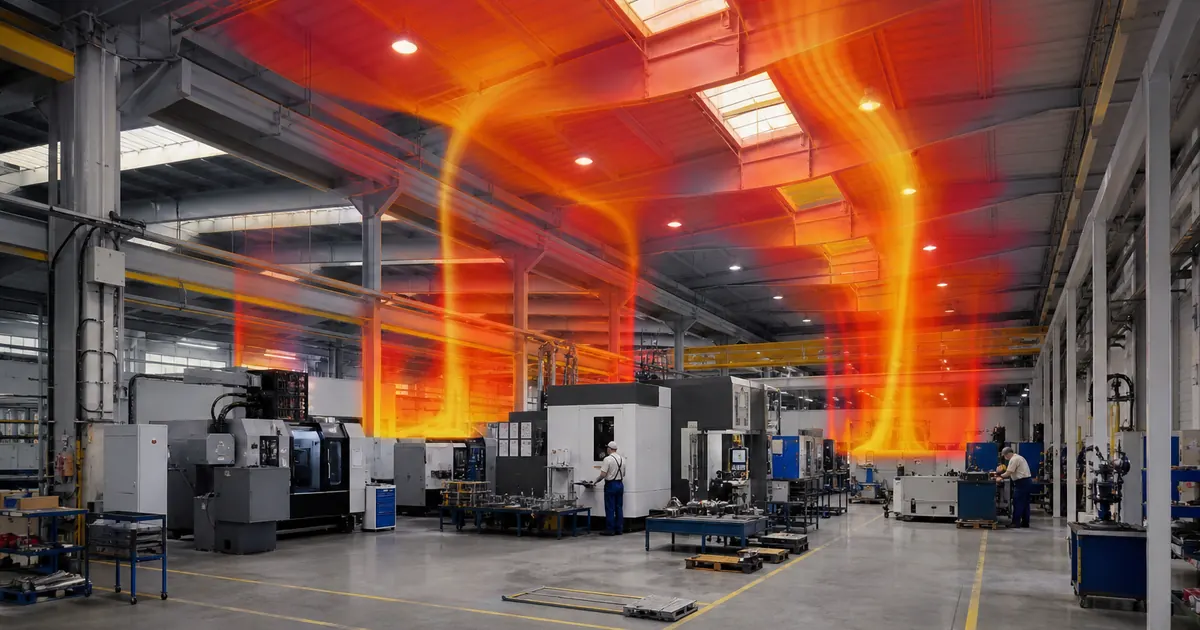
Cutting, grinding, crushing or dry-mix shops need capture at the source: canopies, side hoods, downdraft tables, hose arms on portable tools. One big room exhaust without local points only redistributes contamination onto equipment and into lungs.
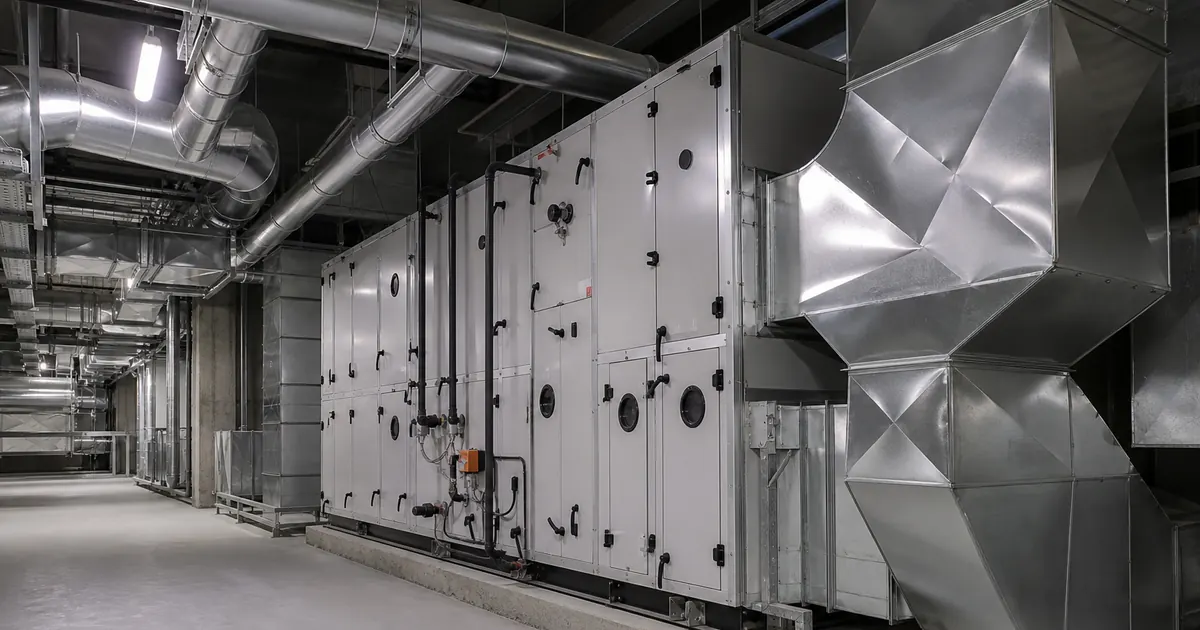
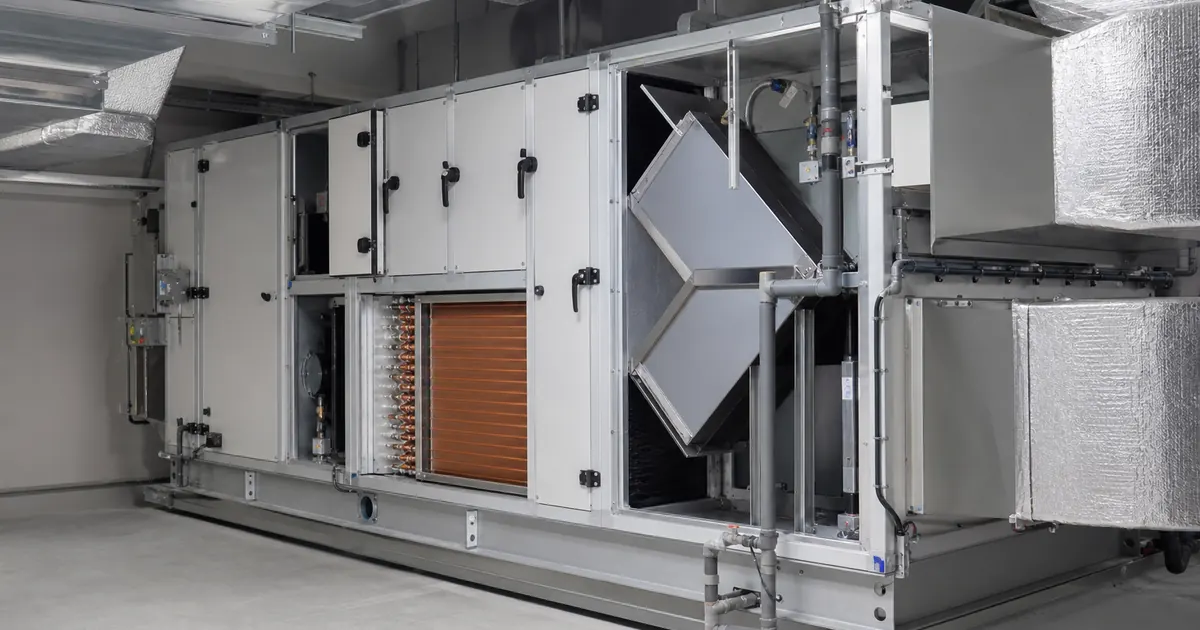
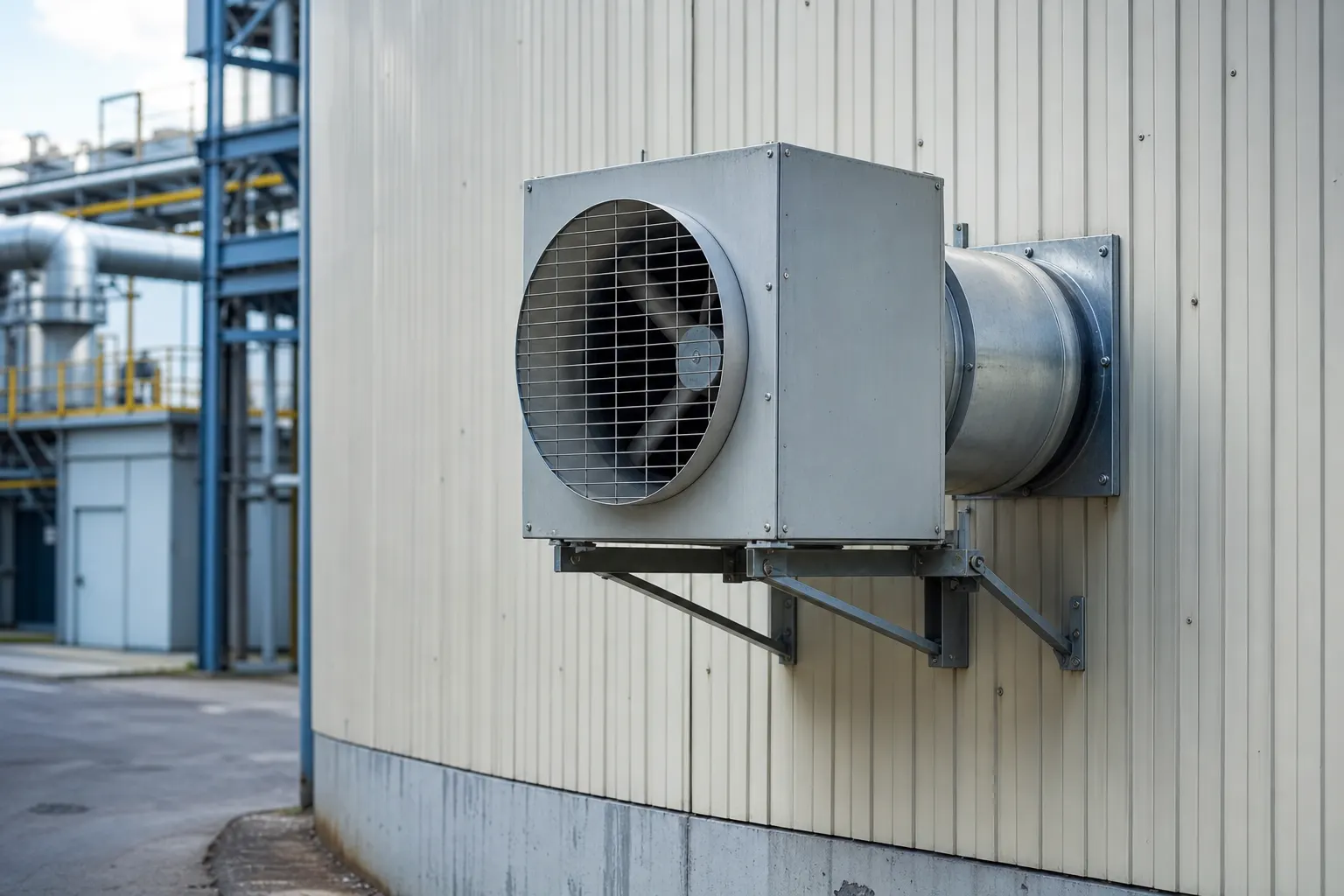
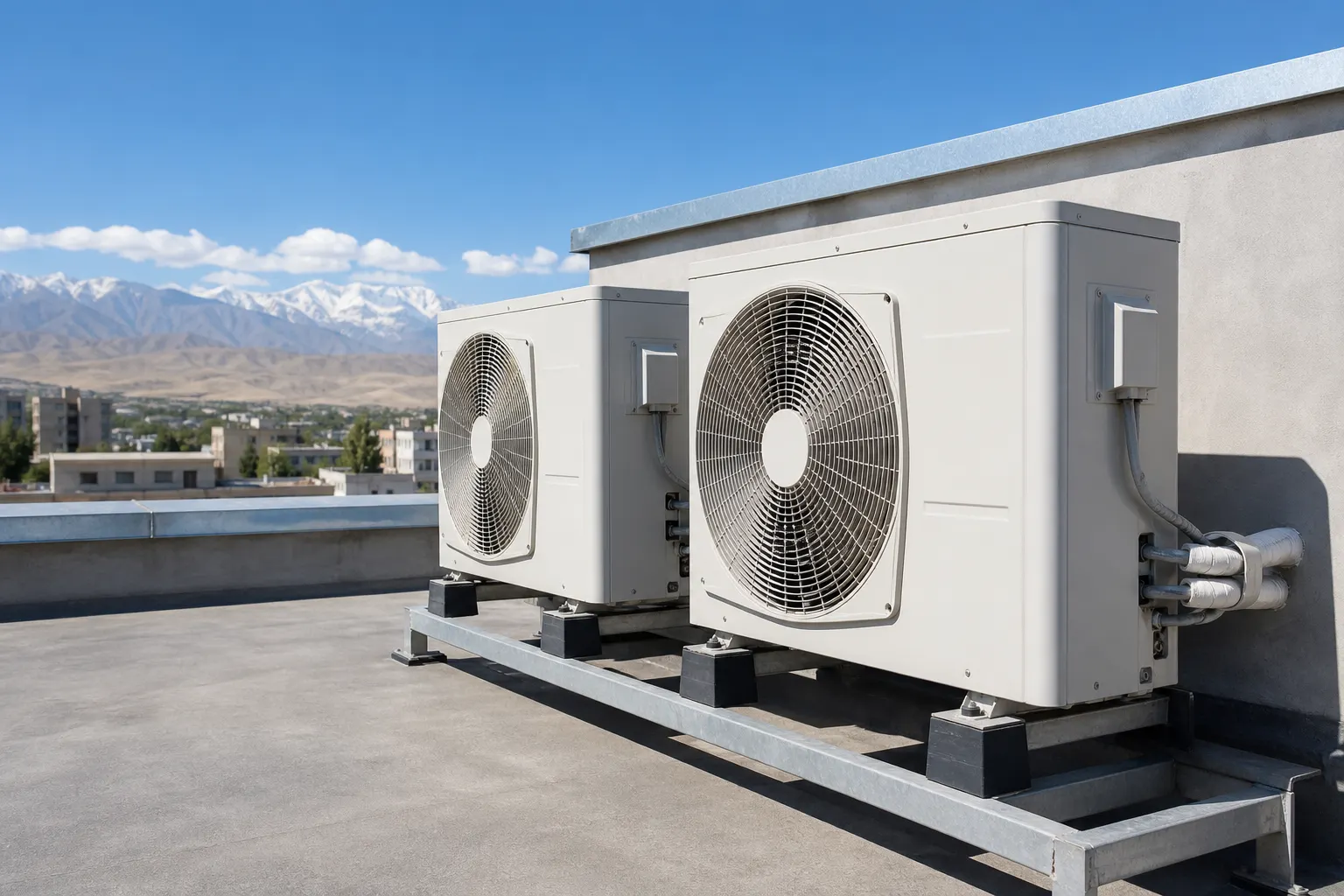
Typical layout: coarse separation (cyclone, settling chamber) for heavy particles, then medium or fine filtration before the fan discharge — depending on emission rules and whether air is recirculated. G/M/F classes match particle size; fine dust often needs F-grade or electrostatic stages on large lines.
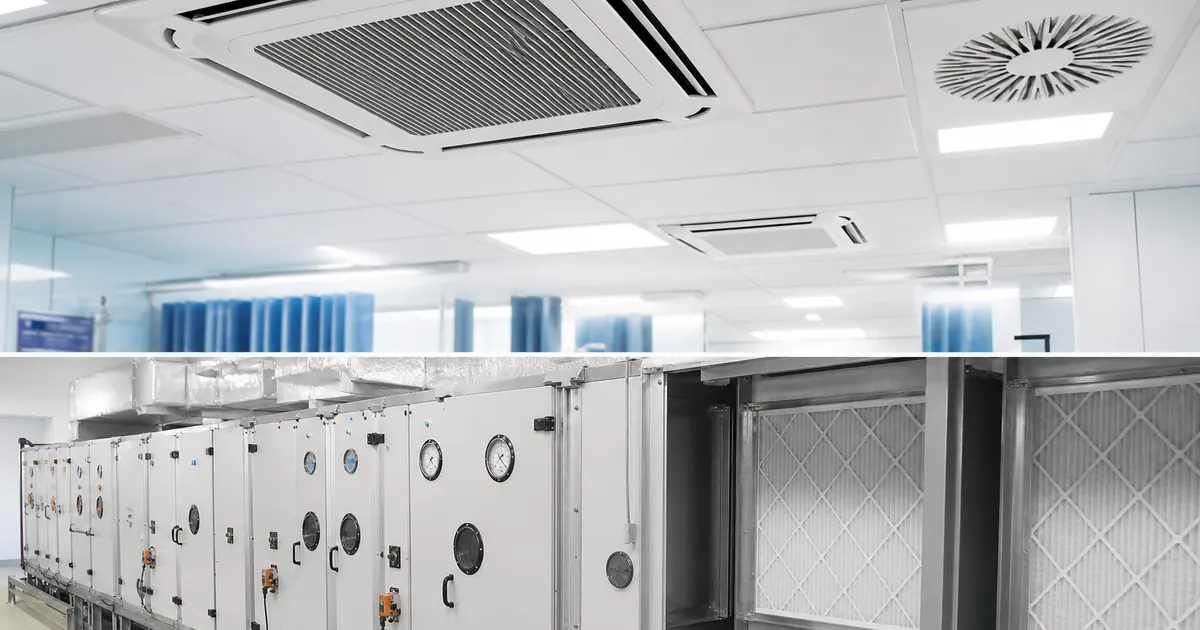
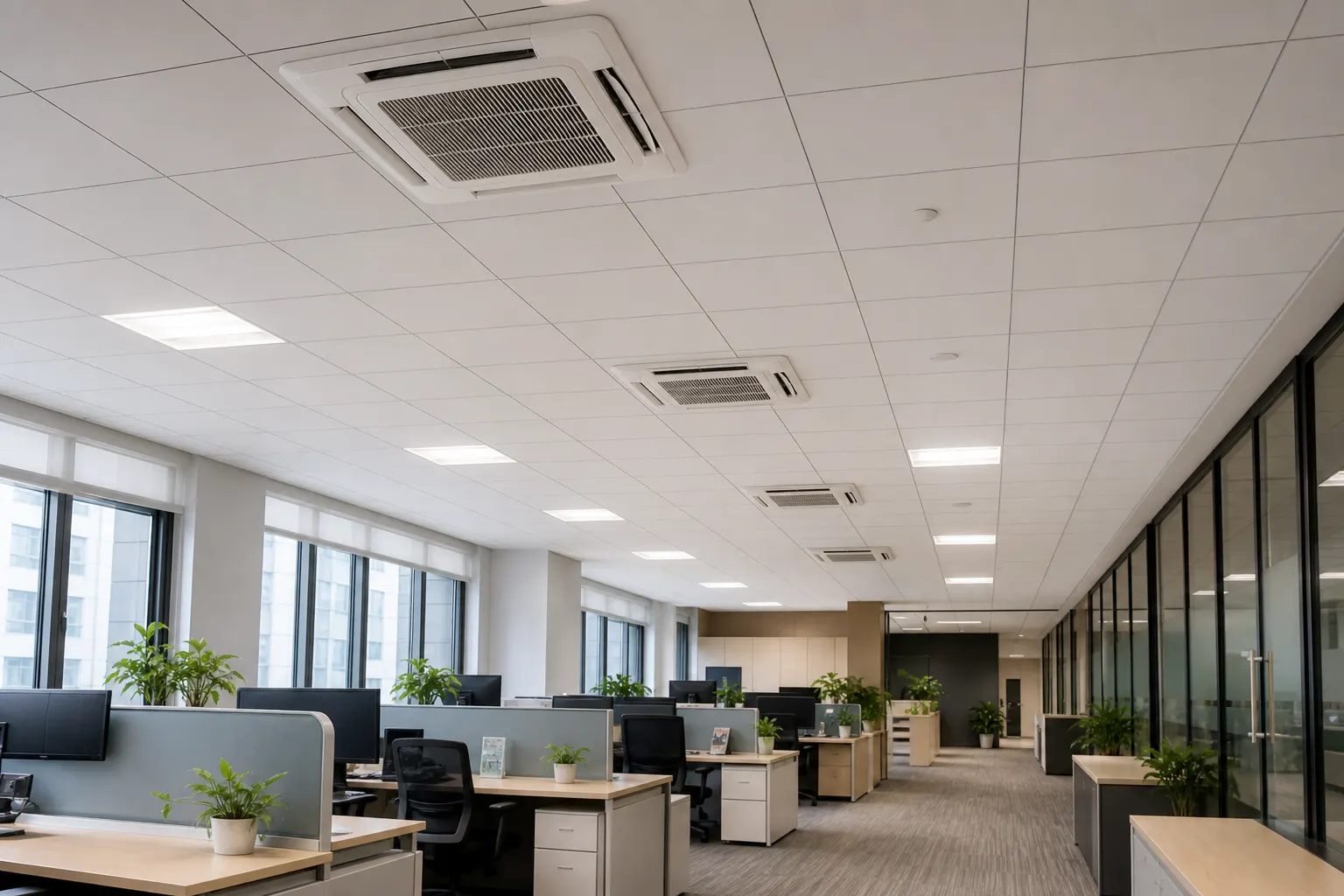
Supply air enters through at least G4/F5 filters so street dust is not added to the process. Balance local exhaust with filtered ceiling supply to keep breathing-zone dust down. Recirculation only when dust chemistry is known and filtration is proven on that loop.
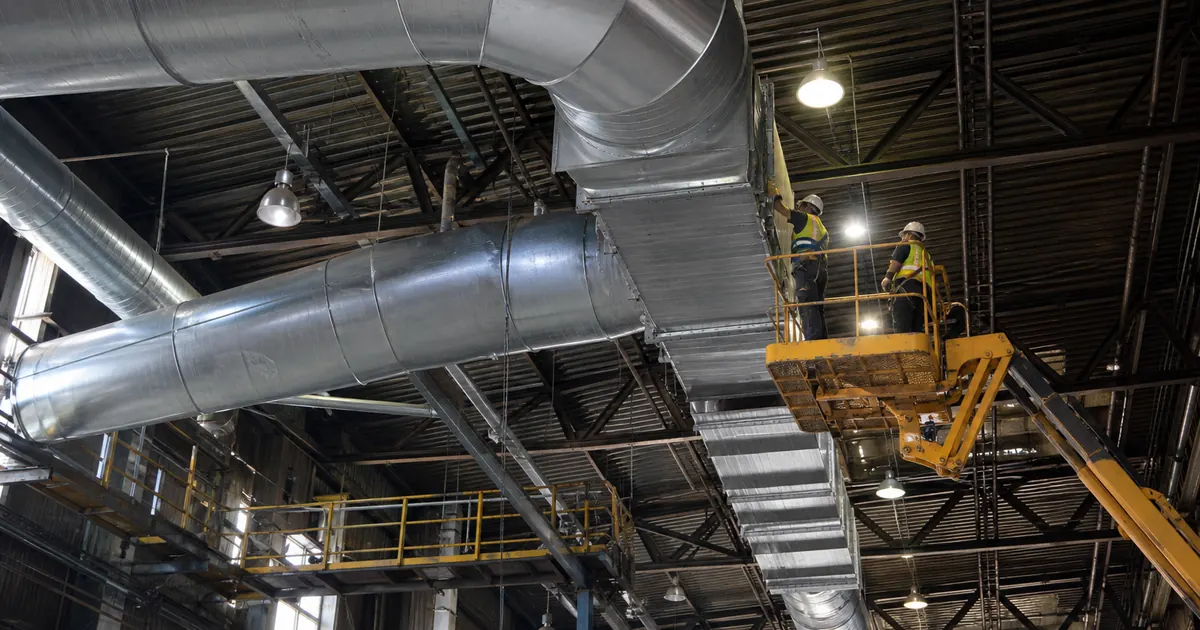
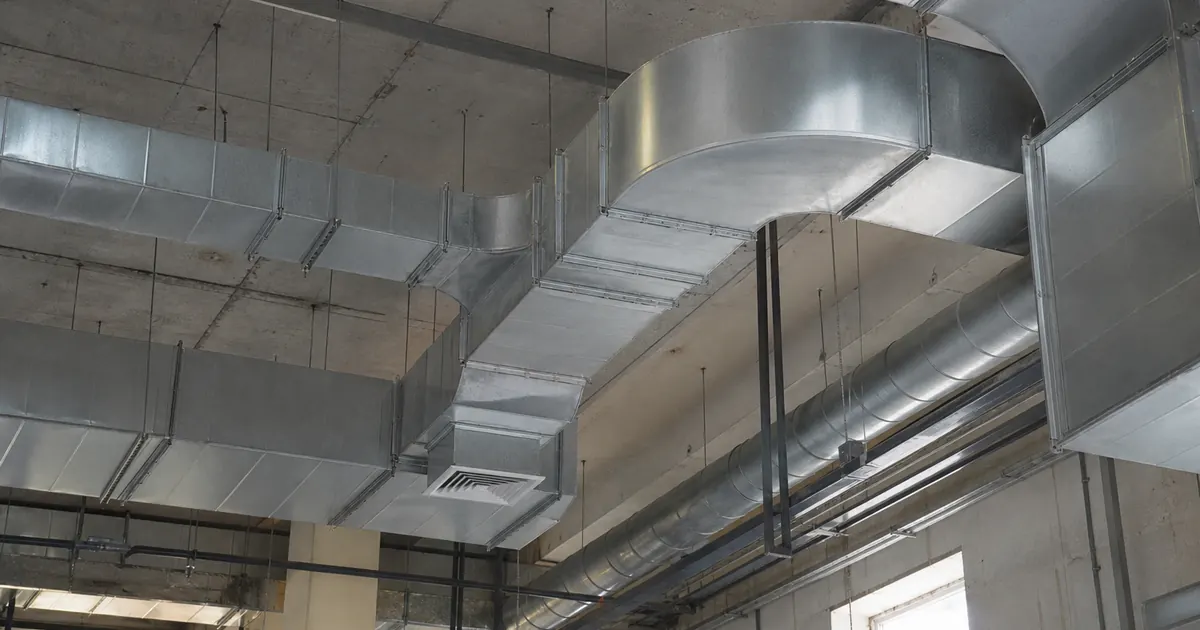
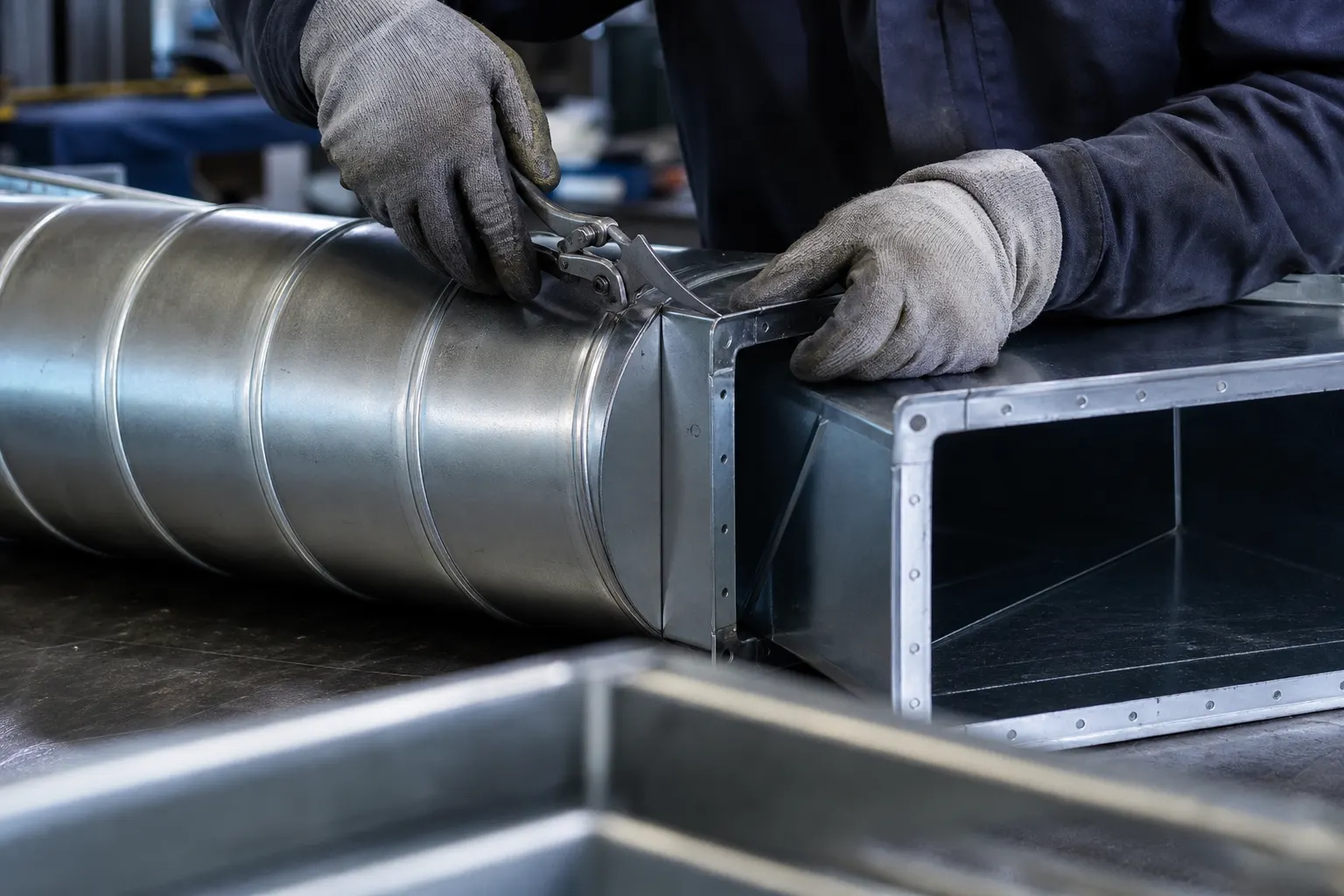
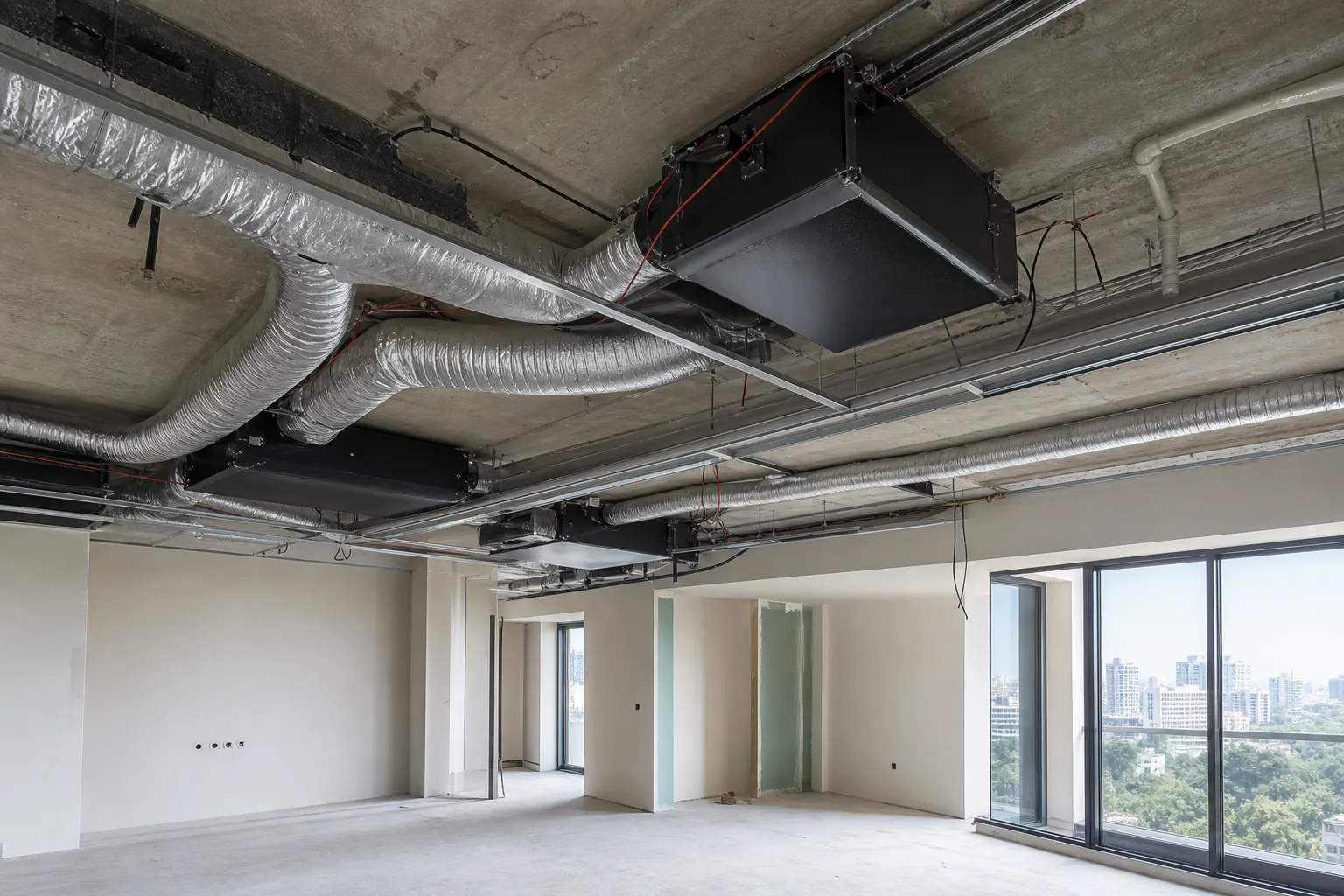
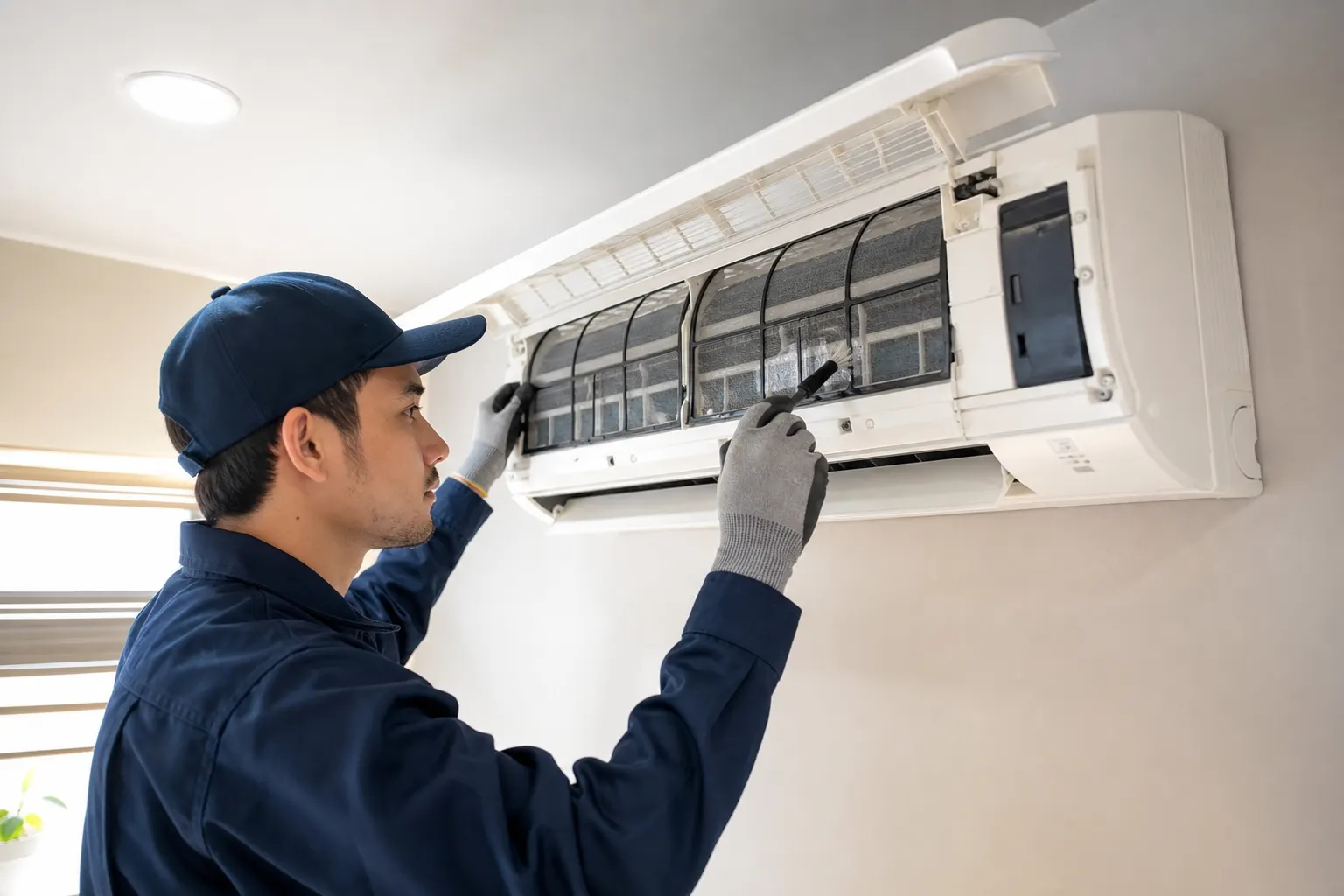
Maintenance matters as much as design: clogged cartridges choke airflow, fans run at limit, hoods fail. Plan filter access, differential pressure gauges and replacement intervals. Galvanized ducts, tight flanges and sensible velocities reduce buildup in runs.
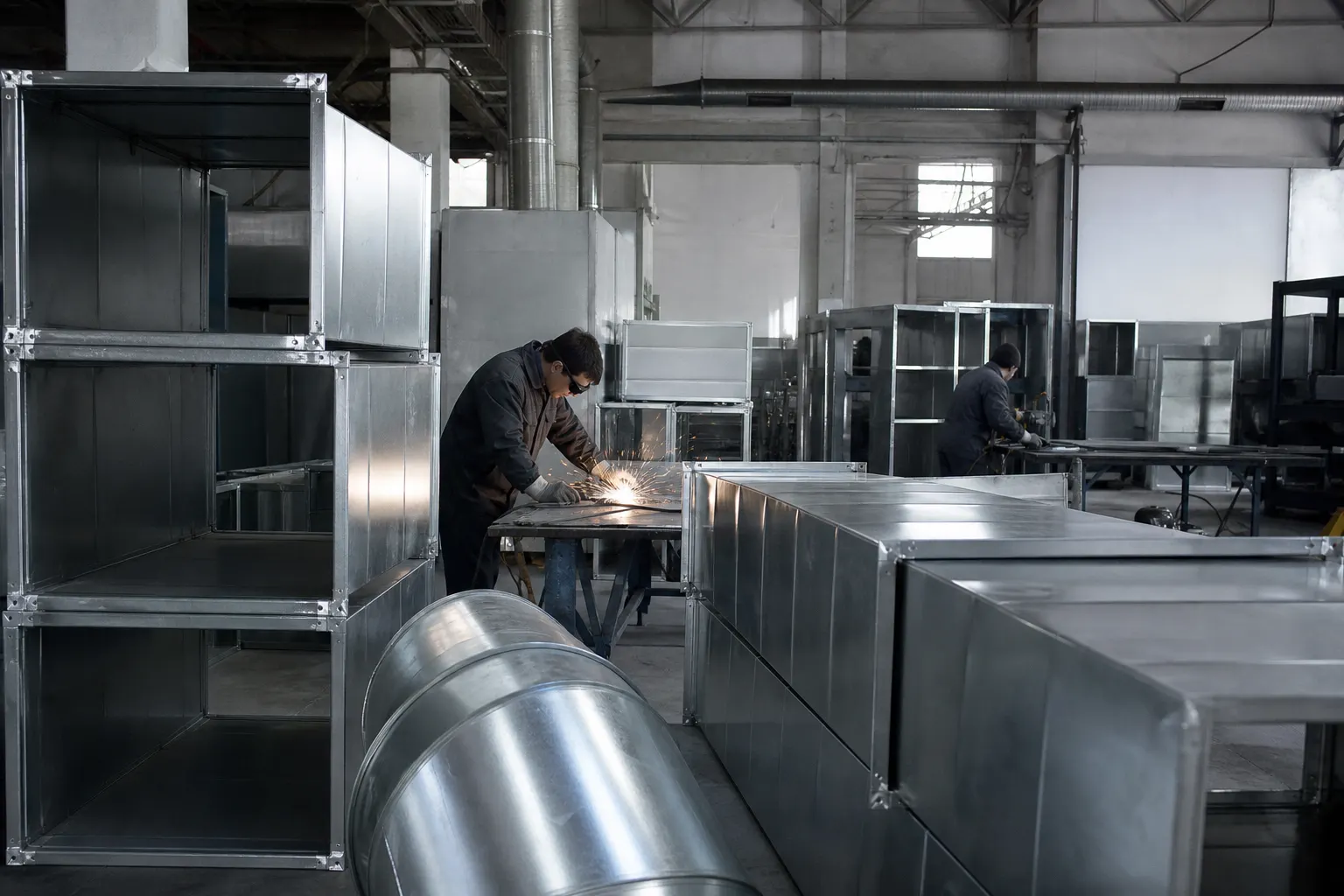
Aurum Prodest designs exhaust and filtration for Tashkent plants, fabricates ducts in-house and installs turnkey with up to 5 years warranty. Telegram @V_Sergey1980 or +998 93 389 58 59 — quotes after a site visit.