Supply and Exhaust Ventilation in Manufacturing: Air Change Rates and Standards

Why guessing by floor area fails in a plant and what data engineers need for a proper design.

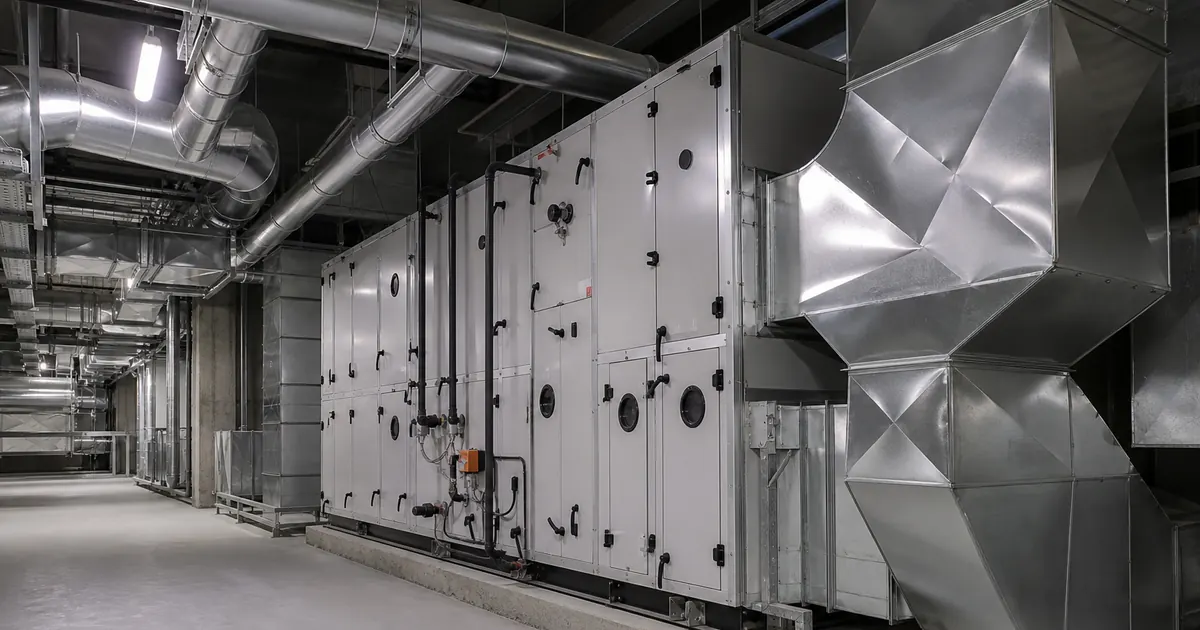
In manufacturing, supply-and-exhaust ventilation is sized from contamination sources, equipment heat and shift headcount — not “area × factor.” Air changes per hour differ sharply between packing, paint booths and warehouse zones attached to the shop.

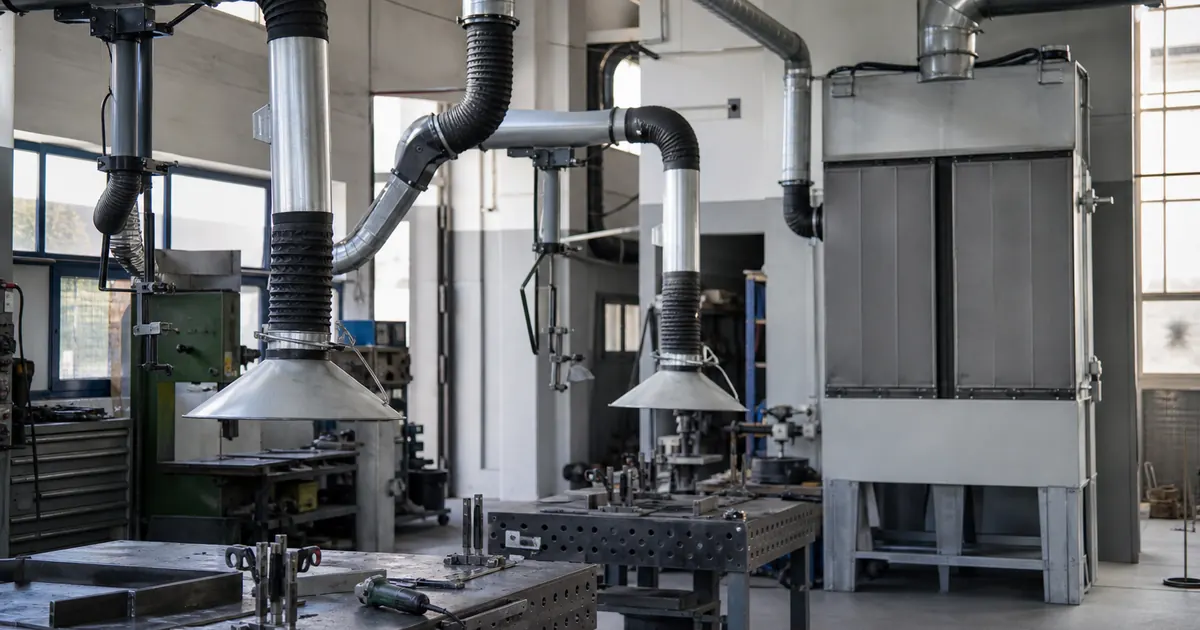
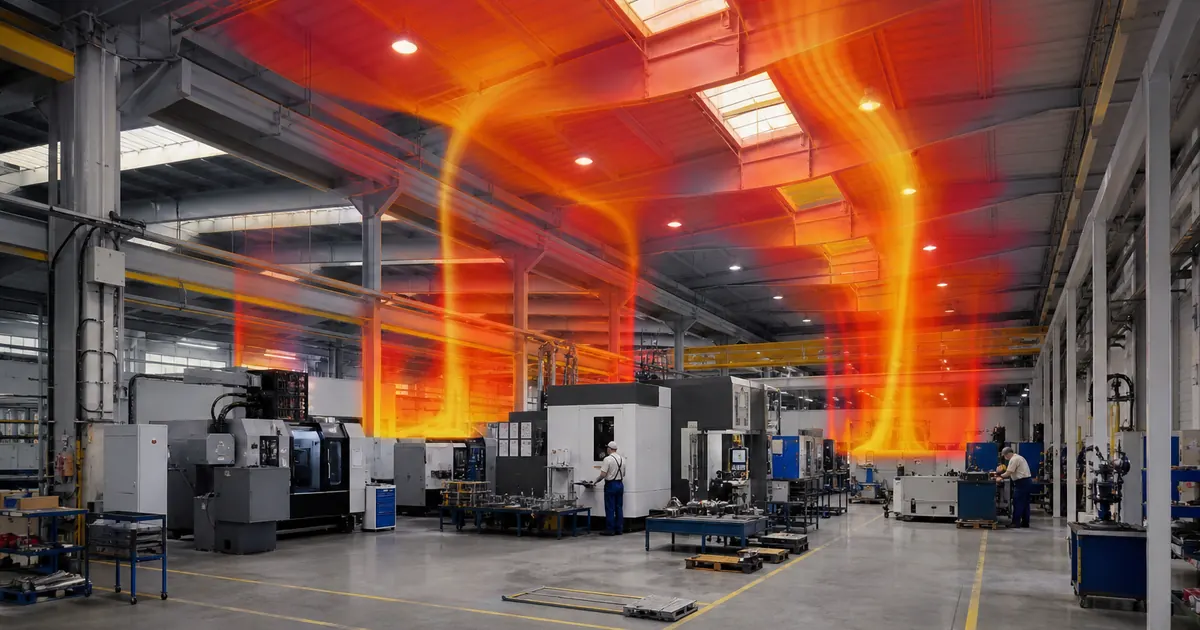
A solid calculation combines per-person outdoor air, heat removal from machines and lines, and local exhaust at vapor, dust or aerosol sources. When process heat or contaminants exceed the people-based rate, the design follows the higher duty — otherwise temperature and air quality drift by end of shift.

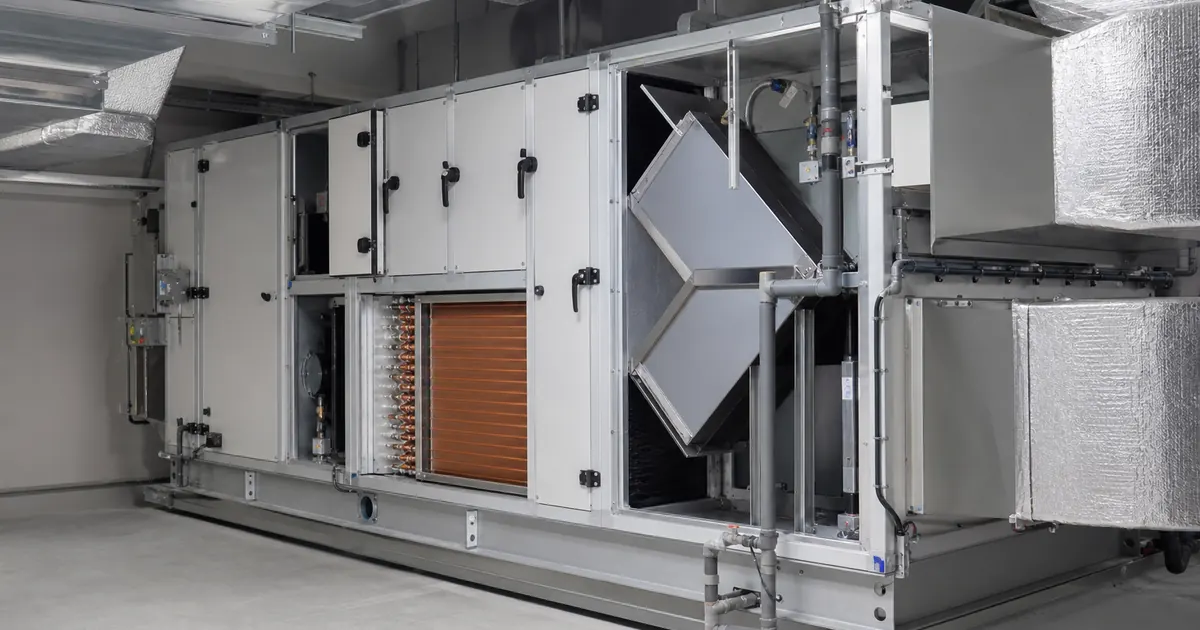
Supply and exhaust must balance: total supply is usually slightly above exhaust for mild positive pressure so corridor air is not pulled in. Hazardous zones use negative pressure with makeup from adjacent areas. Supply filtration protects product and equipment from Tashkent street dust.

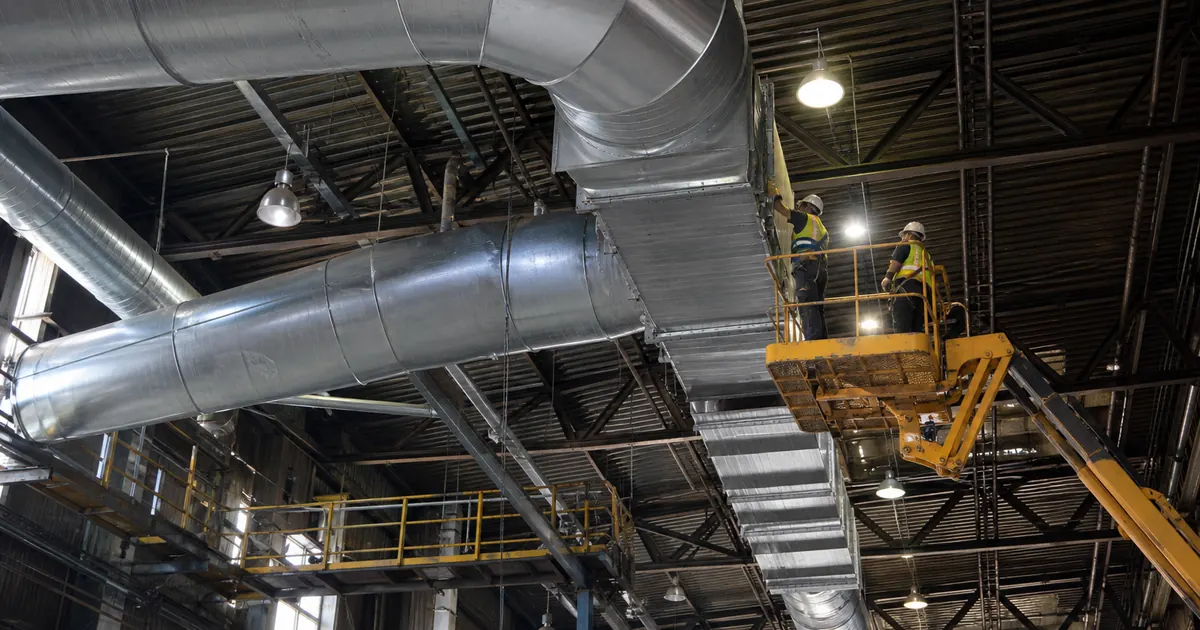
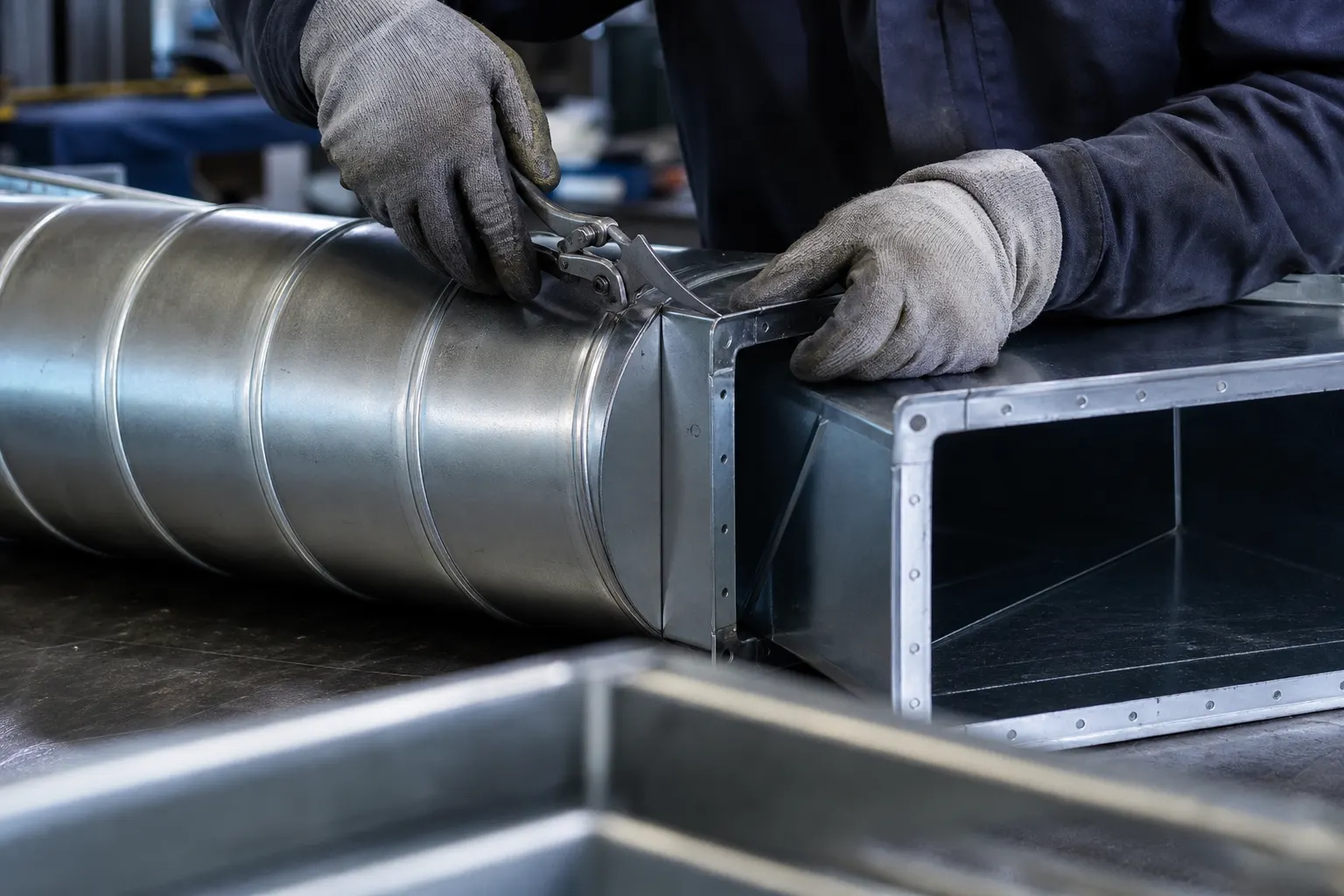
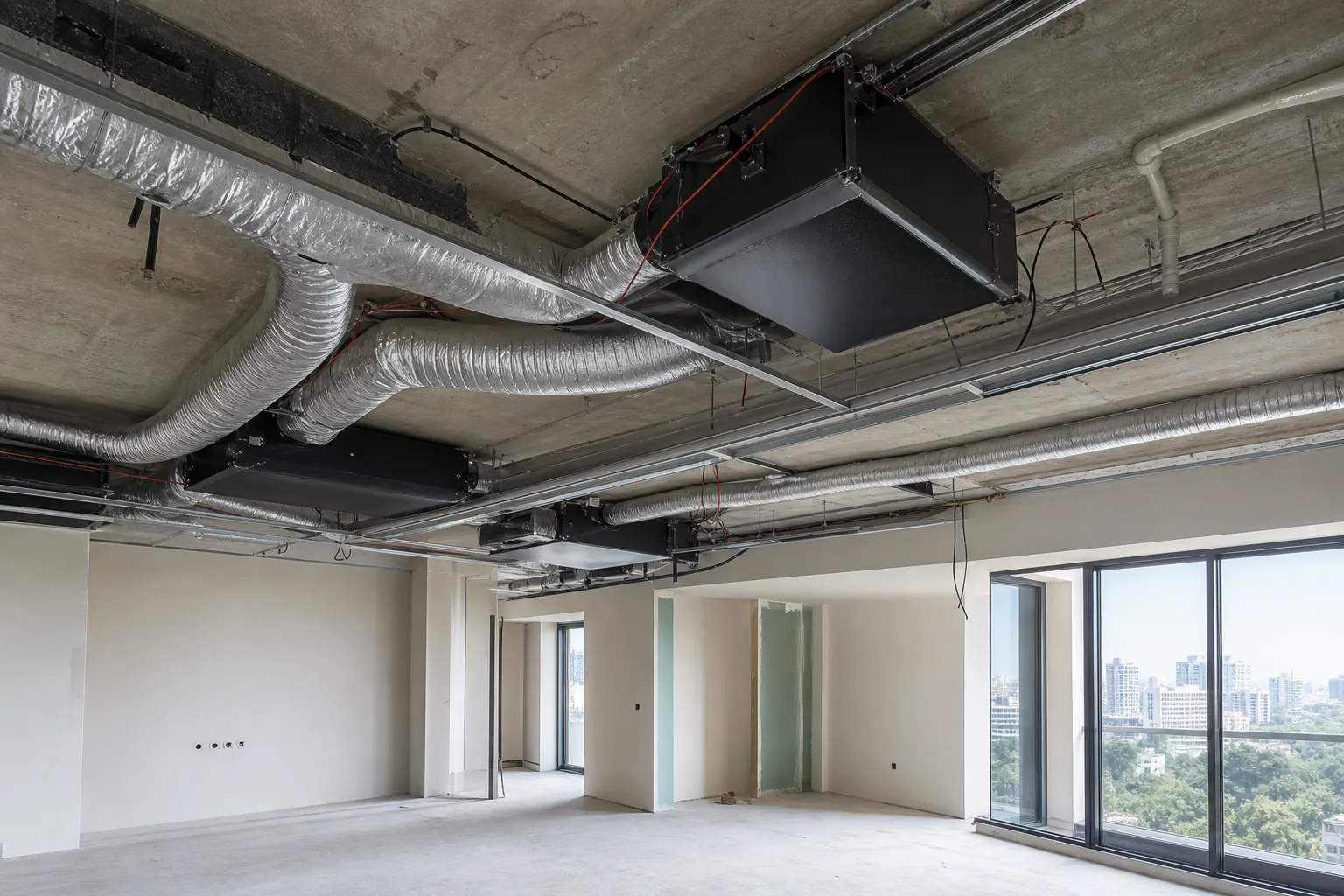
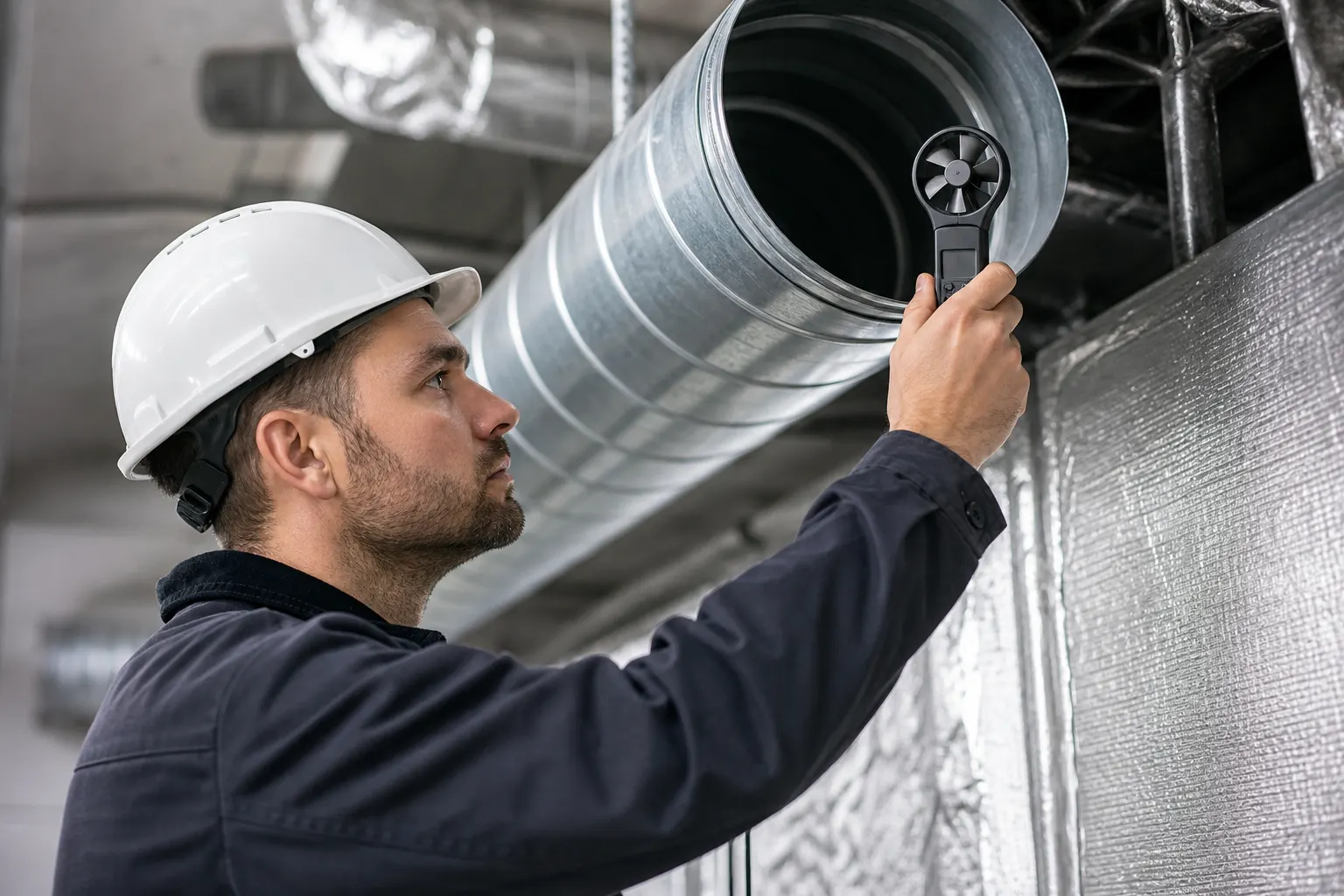
The design package should lock duct layouts, sizes, velocities, fan types and controls (temperature, CO, fire dampers). Paper mistakes become noise, vibration and dead zones — rework after startup costs more than doing the math before install.

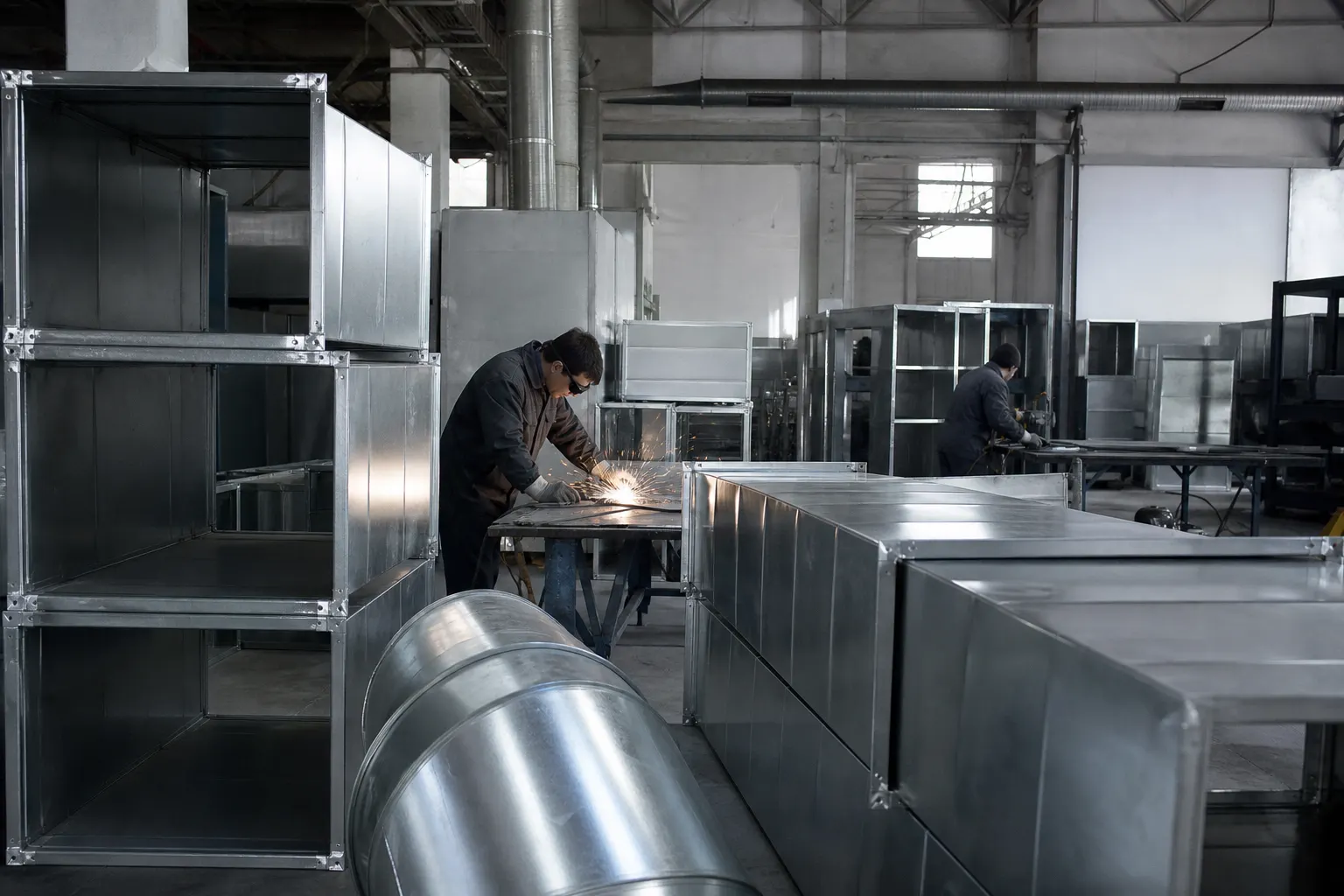
Aurum Prodest in Tashkent delivers calculation and turnkey ventilation with in-house duct fabrication and up to 5 years work warranty. Request a site visit or message Telegram @V_Sergey1980 — quotes follow inspection; phone +998 93 389 58 59.
Need a quote or install?

Leave a request — an engineer will reply during business hours.

More articles

Air conditioning

Workshop Heat Balance: Sizing Industrial Air Conditioning

Air conditioning

Air Handling Units for Shopping Malls and Retail Centers

VRF / VRV

Chiller-Fan Coil vs VRF for a Business Center

Air conditioning

Rooftop Unit vs Central System for a Warehouse

Ventilation

Supply Air Handling for Offices in +40°C Tashkent Heat: Cooling Outdoor Air

Ventilation

Healthcare Ventilation: Requirements, Filters and Pressure Zones

Ventilation

Upgrading Legacy Ventilation on an Industrial Site

Ventilation

Heat Recovery in Supply Ventilation: Does It Pay Off in Uzbekistan?

Ventilation

Dusty Shop Ventilation: Filtration and Local Exhaust

Air conditioning

Why Your AC Is Noisy and How to Fix It

Service

Refrigerant Leak: Signs and What to Do

Ventilation

Restaurant Ventilation in Tashkent: Kitchen and Hall

Air conditioning

How Much Does AC Installation Cost in Tashkent — 2026

Air conditioning

How to Cut AC Electricity Bills

Air conditioning

How to Choose a Split AC for an Apartment in Tashkent

Ventilation

Office Ventilation Design: Where to Start

Air conditioning

Ducted Air Conditioners: When They Beat Wall Splits

VRF / VRV

VRF/VRV for Offices and Hotels: When Multizone Pays Off

Fabrication

Ductwork Fabrication in Tashkent: In-House Shop vs Subcontract

Ventilation

Ventilation Installation: Steps from Design to Commissioning

Air conditioning

Industrial Air Conditioning for Plants and Warehouses

Air conditioning

Column Air Conditioners for Halls and Retail

Service

AC Maintenance Before Summer: Checklist

Heating

Heating Equipment for Winter: Coils and Heaters